DUI Stop and Field Sobriety Tests: Analyzing A Controversial Traffic Encounter
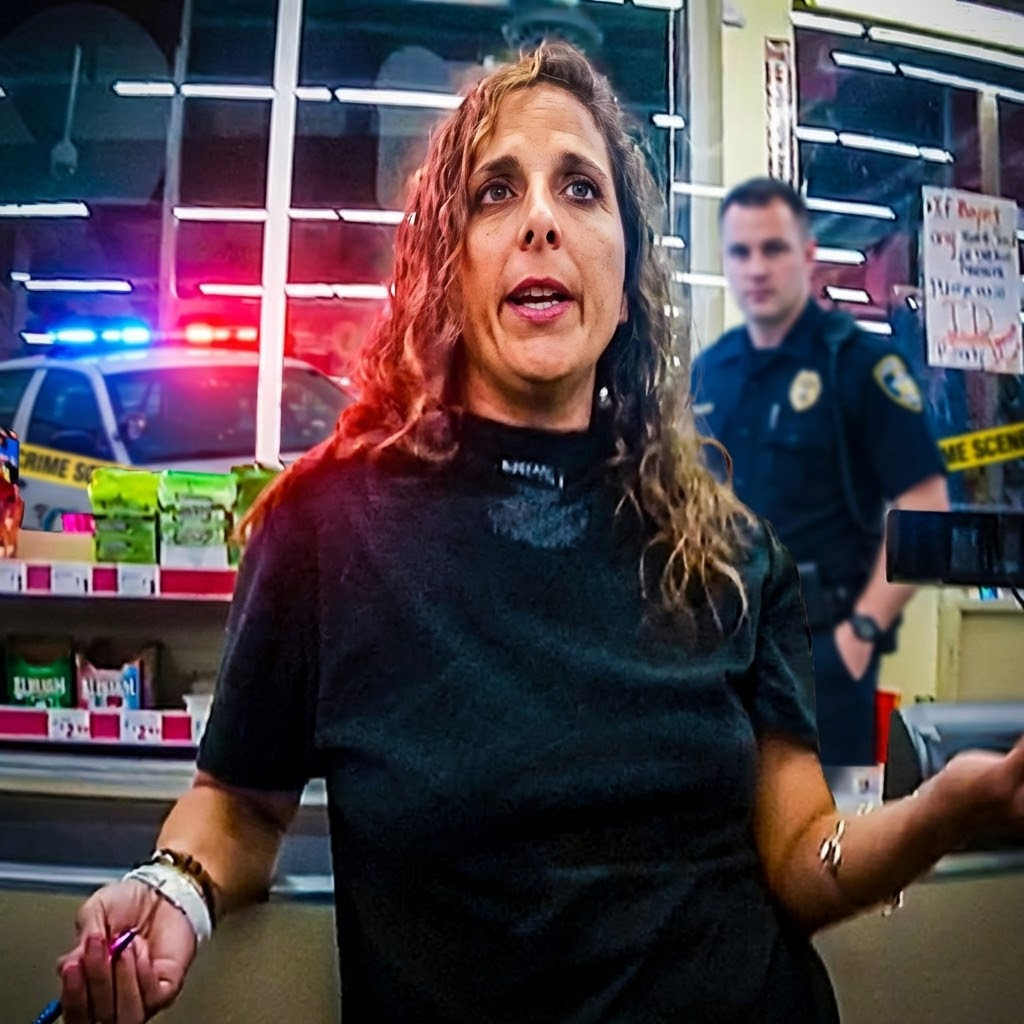
Picture this. It’s July 17, 2022. An officer pulls over a driver late at night. No headlights on. The car bounces off a curb. What starts as a simple check turns into a heated clash. You see field sobriety tests. Yelling. Claims of rough handling. This real video transcript grabs attention. It shows how DUI stops can go wrong fast. We break it down step by step. Learn the rules. Spot the red flags. Know your rights next time you’re behind the wheel.
Subjective Field Sobriety Testing Procedures
Field sobriety tests check for drunk driving. Officers use standard steps. This stop follows them but hits roadblocks.
The Horizontal Gaze Nystagmus (HGN) Test Analysis
The officer holds up a stimulus. “Follow it with your eyes only.” No head turns. The driver pushes back right away. “I got to turn my head for perspective.” She sways. Her eyes jerk. That’s a clue of impairment. HGN spots eye twitching from booze. Cops watch for three clues per eye. Smooth pursuit fails here. The driver stares at the cop instead. Test fails quick. Tension builds.
Walk-and-Turn and One-Leg Stand Tests
Next, the walk-and-turn. “Put your left foot on this gray line.” Right foot behind it. Walk heel to toe. The driver complains. “What line? You just drew it.” She steps off. Goes diagonal. Misses steps. Counts wrong: skips 15, hits 16. Balance? Shaky.
One-leg stand follows. “Raise one foot. Count one-one-thousand-one to thirty.” She picks the left. Sways hard. Puts it down early. “I got good balance.” Hands out. Wobbles. Officer calls it. These tests score impairment. Drivers fail. Cops note clues like steps missed or sway.
- Walk-and-turn clues: Starts too soon, wrong turns, balance loss.
- One-leg stand: Sways, hops, drops foot.
Conflict Over Documentation and Detention
Things heat up after tests. Driver demands proof. Officers hold firm.
Demands to See Paperwork and Detention Justification
“Why am I here? Where’s the DUI paper?” Driver yells. Officer points to it. “There’s a process.” She grabs at it. “Read it to me.” No dice. Cops say sit. It’s a DUI probe. Miranda rights? Not yet. They’re still investigating. Paper lists reasonable suspicion: no lights, curb hit, smell or slurs maybe off-camera.
Physical Contact and Allegations of Improper Handling
Driver freaks on touch. “Stop touching me! There’s a woman here.” Claims trauma. “I got triggers.” Officer guides her to chair. She resists. “You have daughters?” Plays on family. Accuses manhandling. Camera rolls. Officers stay calm mostly. One says, “Sit or it gets worse.” Force used? Minimal at first. Policy allows guiding in custody probes.
Allegations of Misconduct and Driver Distress
Driver unloads. Emotions run high. Officers push protocol.
Challenging Officer Authority and Emotional Response
“I’m trying to get home to work.” Mom duties. “I got work tomorrow.” Pleads release. Officers say no. “Sit down.” She paces. Yells process flaws. Anxiety hits. “Let me scratch my head.” Refuses chair. Clock ticks. Four more minutes? Breath test looms.
Accusations of Gender Bias and Differential Treatment
“You let him touch me when I said stop.” Points to female officer. “You have kids. Imagine them touched.” Claims bias. “Blame it on me being a woman.” Says she’s lesbian. “Love being manhandled by men.” Later equates cop to rapist. Heavy words. Camera catches all. Officers ignore bait. Stick to commands.
Refusal to Submit and Legal Consequences
Test refusal? Big deal. Laws bite back.
Consequences for Chemical Test Refusal
Officer reads implied consent. “Fail to submit? License suspended one year first time.” Prior refusal? Eighteen months. Driver ignores. No breath or blood. Refusal equals guilt in some courts. Evidence weighs heavy.
Requests for Support and Medical/Anxiety Management
“Can I have a minute? Anxiety attack.” Wants space. Officers deny. “Sit back.” She’s cornered. Screams build. “Let me scream so I don’t swing.” No medical call. Scene stays hot.
Escalation to Physical Restraint and Outcome
Control slips. Restraint follows.
Resisting Commands and Physical Apprehension
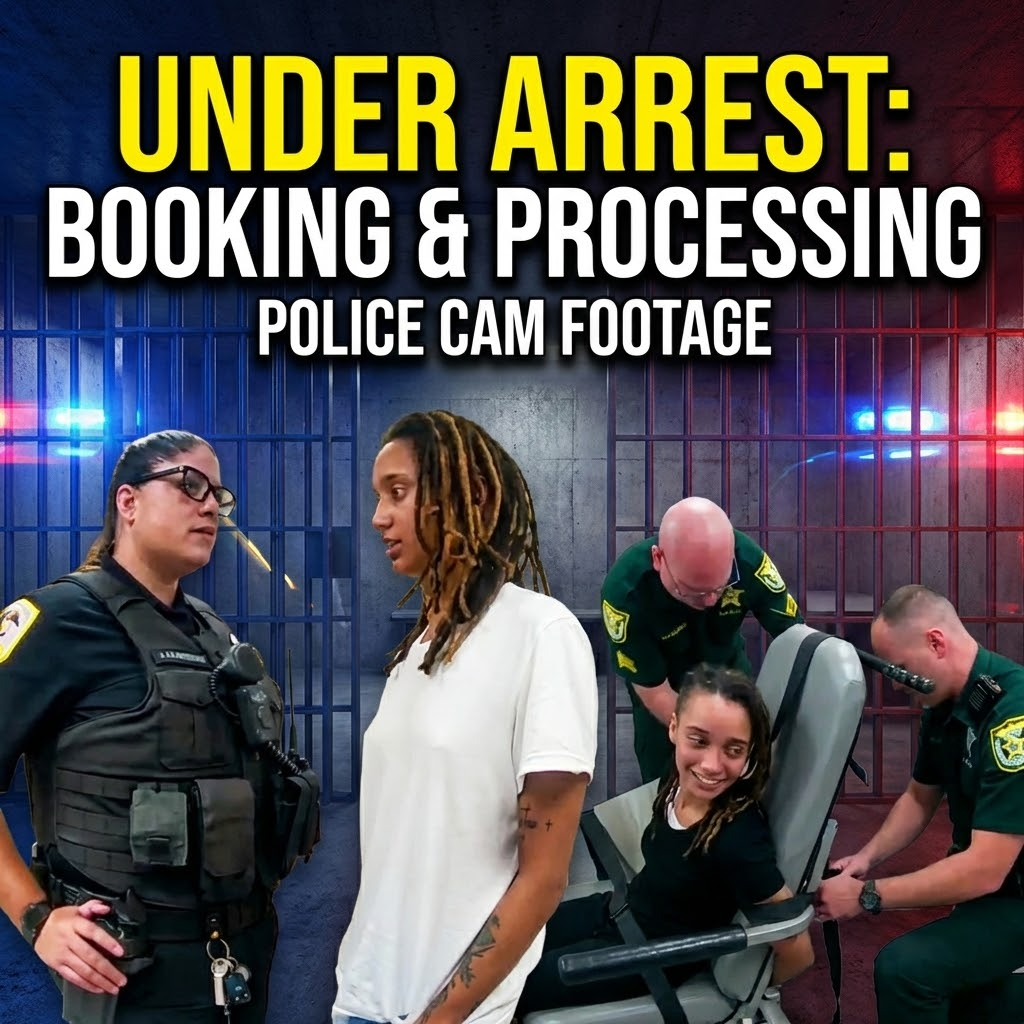
“Hands behind back.” She fights. “You’re resisting.” Cuffs go on. Yells “manhandled.” Turns wild. Officers secure her. No injury shown. Arrest for DUI probe. Resisting too.
Final Statements and Post-Encounter Perception
“Send the video.” Hears stories of stops like this. “What the hell is wrong?” Chair claim. Rapist line. Anger peaks. Paperwork finishes. She’s out of room.
Conclusion: Examining Rights and Procedures in DUI Stops
This stop shows DUI chaos up close. No lights plus curb hit? Probable cause. Field tests like HGN, walk-turn, one-leg? Standard clues. Officer warned on refusal. Driver fought every step.
Key takeaways:
- Stops need reason: traffic violation or weave.
- Sobriety tests? Voluntary often. Fail them? Leads to chem test.
- Implied consent laws vary by state. Refuse? Lose license auto.
- Cameras protect both sides. Use yours too.
Tip for drivers: Stay calm. Say little on drinks. Ask for supervisor if rough. Record if safe. Know silence is golden. No legal advice. Talk to a lawyer for your spot.
Stats back it. NHTSA says SFSTs spot 77% impaired at .10 BAC. Video like this sparks debate. Rights matter. Training counts. Next stop? You handle better.