Victims of car thefts refused access to insurance cover
By Afraa Kori
Victims of car theft are increasingly finding themselves penalised by insurers, with policy renewals refused or premiums hiked. Criminologists say it highlights systemic practices that punish people already affected by crime.
Alexis (name changed for privacy), a Berwick resident, is one of many caught up in the fallout.
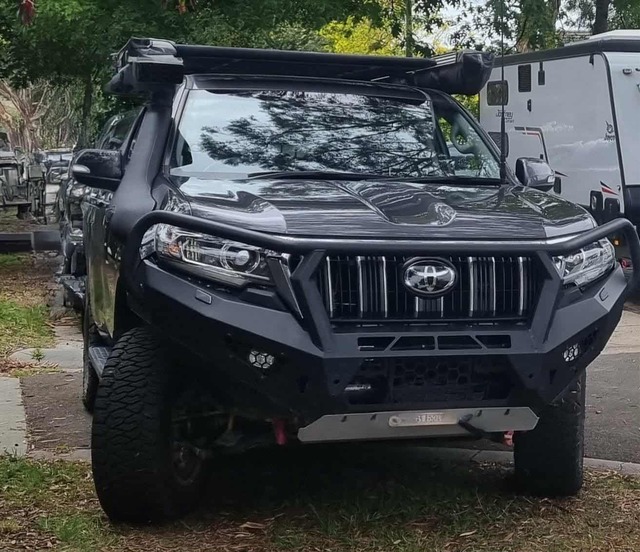
Her partner’s Toyota Prado was stolen from the carpark outside Bunjil Place despite being fully fitted with roof racks, a brand-new awning, fridge, tyres, and camping gear.
He had taken their children to the nearby playground, and as they walked back, they saw the car speeding off, with one of their daughter’s windows smashed on 20 September.
“My kids were understandably very upset and confused, and my husband was just in shock,” she said.
The Prado was a source of pride and comfort for the family, especially amid personal challenges, including a cancer diagnosis in their immediate family.
“Losing our car has brought an incredible amount of stress and heartache that we still feel every single day,” Alexi said.
Mike Ippolito, Head of Marketing and Digital at Club 4×4, which is managing Alexis’ husband’s vehicle, said they accepted and finalised the theft claim within three business days.
“Having a vehicle stolen is highly disruptive, and we take these matters seriously. In this case, the theft was reported to us on 22 September and an investigator was appointed the same day,” he said.
“Club 4×4 has paid the full total loss value of the vehicle and is covering the cost of a hire car to support the family during the process. We are in direct contact with the customer to ensure they have everything they need.”
In a cruel twist, Coles Insurance initially offered to renew Alexis’s policy (the renewal offer was provided exclusively to the Gazette) before she disclosed her partner’s theft claim on the Prado.
But after she was transparent about the incident, her insurer refused, raising concerns about why the offer was made in the first place if the theft was not a determining factor..
“Victims shouldn’t have to feel like criminals or like they’re being punished for bad luck,” she said.
“Behind every claim is a real family already struggling with stress, uncertainty, and loss.
“We pay our premiums in good faith, trusting that we’ll be supported when something goes wrong. Instead, we’re left feeling abandoned and let down at a time when we most need understanding, compassion, and fairness.”
Coles explained the refusal in email:
“When we insure a car, we consider risk factors like the age and make of the car, where it’s usually parked, as well as the driving history and claims history of the people who will be driving it. We then compare this against our acceptance criteria. In this case the claims history of one or more drivers on the policy falls outside of our acceptance criteria, so we’re unable to offer you cover.”
Coles spokesperson further told the Gazette they are unable to discuss the specific details of the customer’s policy due to privacy reasons.
“It is important to note that all insurers retain the discretion not to offer policy renewal when a customer’s circumstances fall outside their acceptable underwriting criteria, which is the case in this instance,” the spokesperson added.
With one car now shared for work, school, and daily errands, the family initially had to hire a car, which was only covered for 21 days.
“To say this whole process has been stressful is an understatement. We still haven’t received the payout for my husband’s car through Club 4×4 which was stolen 6 weeks ago and never recovered,” Alexis said.
“We are out of pocket close to $6k between a loan car, excess, the increase to both new policies, and we’ve had to borrow money to get a new car.”
Many others reported having their insurance refused after a theft, exposing a systemic problem in the industry.
Alexis’ family has adjusted their behaviour due to ongoing safety concerns. They will not take their new car to Fountain Gate and have researched crime statistics in other states, prompting discussions about relocating to a safer area.
To protect their new vehicle, they’ve installed a $1,300 ghost immobiliser, which makes it nearly impossible for thieves to steal. Yet, Alexis pointed out that many insurers do not factor such safety measures into their premiums.
Police investigation remains ongoing and anyone with information or footage is urged to contact Crime Stoppers on 1800 333 000.
What insurance do you need for UK festivals?
Only 19% of contents policies cover valuables taken to summer festivals such as Reading and Leeds

Matthew is an award-winning journalist, specialising in savings, tax and insurance.

Losing your phone or wallet at a festival can quickly turn fun into frustration. Yet new research by Compare the Market found 58% of revellers head to events without insurance for personal belongings.
Failing to get adequate cover could prove a costly mistake. The comparison site discovered 61% of festivalgoers have had items lost or stolen, with the average value of missing possessions coming to £368.
Whether you’re off to Reading and Leeds, End of the Road or another summer festival, here’s how to make sure you’re covered if something goes wrong.

Compare home insurance deals
Check Which? insurance ratings and compare deals using the service provided by Confused.com
What insurance covers festivals?
There is no such thing as ‘festival insurance’, but that doesn’t mean you have to go to an event without cover.
Several common types of insurance can protect you if things go wrong:
1. Personal possessions cover
Most home insurance policies don’t automatically cover your belongings outside of the home. In fact, Which? analysis of contents policies found just 19% include personal possessions away from the home as standard.
You’ll therefore need to have additional cover in place to protect your belongings from loss, damage or theft while at a summer festival.
Personal possessions insurance covers you for items you take with you and is normally sold as an add-on to contents insurance. You can buy it after taking out a policy at an extra cost, so don’t worry if you forgot.
This type of policy should cover everything from mobile phones and laptops to clothes and jewellery.
- Find out more: best home insurance policies 2025
2. Gadget and mobile phone cover
Separate research by GoCompare found most festivalgoers are bringing tech with them. More than a third plan to take two gadgets, and one in five will take three, with an average value of more than £841.91.
If you don’t want to invest in personal possessions cover, you could get standalone gadget insurance and separate mobile phone insurance.
The latter could protect you if you lose, damage or have your mobile phone stolen, but it doesn’t usually cover preventable theft, such as leaving your phone unattended in public or unprotected in your tent.
- Find out more: how to get the best mobile phone insurance
3. Travel insurance
Often associated with holidays abroad, travel insurance can also be useful for UK festivals – yet it’s something many people overlook.
However, it could be helpful as it provides cover for lost or stolen luggage, delays or cancellations to transport, having to cut your trip short and lost or stolen money and documents.
Festival organisers are unlikely to refund you if you can’t attend because of personal reasons such as illness or the death of a loved one. Some travel insurance policies, however, will cover you for these types of unforeseen circumstances, allowing you to claim back the cost of your ticket and any transportation you’ve already booked.
That said, many UK travel insurance policies have minimum requirements – such as staying a certain number of nights away from home or travelling a minimum distance, so check the terms carefully.
As always, check the small print. Not all travel insurance policies include gadget or mobile phone cover. Even if they do, some won’t cover stays in tents.
- Find out more: best travel insurance 2025
Be more money savvy
free newsletter
Get a firmer grip on your finances with the expert tips in our Money newsletter – it’s free weekly.First name (required)Last name (required)Email address (required)Postcode (optional)Get the newsletter
This newsletter delivers free money-related content, along with other information about Which? Group products and services. Unsubscribe whenever you want. Your data will be processed in accordance with our privacy notice.
What aren’t you covered for?
As always, it’s a good idea to read the small print for any caveats that might affect your ability to claim.
You may struggle to claim for theft if the item was left unattended or stored somewhere that’s not secure, such as an unlocked tent or car
GoCompare’s research found 10% of festivalgoers plan to leave gadgets unguarded in their tents, while 59% will carry them around all day, potentially increasing the risk of theft. Another 10% intend to stash tech in clothing, and 3% admitted they won’t secure their gadgets at all.
Most policies also exclude damage to camping gear while it’s being used outdoors. For example, you may not be covered if your tent is damaged in a storm. For more protection, you’ll need to seek out a specialist provider that sells insurance designed specifically for campers.
Another common exclusion is event cancellation. If the festival is called off, insurers will usually expect you to seek a refund directly from the organiser. However, if you paid more than £100 for your ticket on a credit card, you should be protected under Section 75 of the Consumer Credit Act.
How to keep belongings safe
The best way to avoid losing valuables is to think carefully about what you really need to bring. Leave high-value gadgets at home unless they’re essential.
If you must take expensive items such as a phone or laptop, check whether the festival offers secure lockers. This can be a safer alternative to keeping them in your tent or carrying them around all day.
If you’re keeping valuables on you, make sure they’re out of sight. Avoid leaving your phone sticking out of a back pocket – a bum bag or money belt worn under your clothes is a safer bet.
To protect belongings overnight, stash them at the bottom of your sleeping bag rather than leaving them loose in your tent. If you’re locking valuables in your car, keep them hidden in the glove compartment or boot.