‘Do something with your actions. Don’t just write a cheque’: Bonnie Raitt on activism, making men cry and 38 years of sobriety
As told to Rachel Keenan
Going back out on tour, the 13-time Grammy winner recalls stark inspirations and steamy studio sessions as she answers your questionsThu 1 May 2025 14.00 BSTShare
You’ve had a decades-long career. When did you first feel that you had “made it”? LondonLuvver
I wasn’t expecting to do music for a job. I was into social activism in college, and I just had music as a hobby. My boyfriend managed a bunch of blues artists and I asked if I could open for some of them – just to have fun and hang out with my heroes. Unbeknown to me, there really weren’t any women playing blues guitar and doing the mix of songs [I was], and I immediately got more offers of gigs and even a record company offer within about a year. That first gig I got under my own name, when I was 19, was a total surprise: that’s when I felt I had made it.
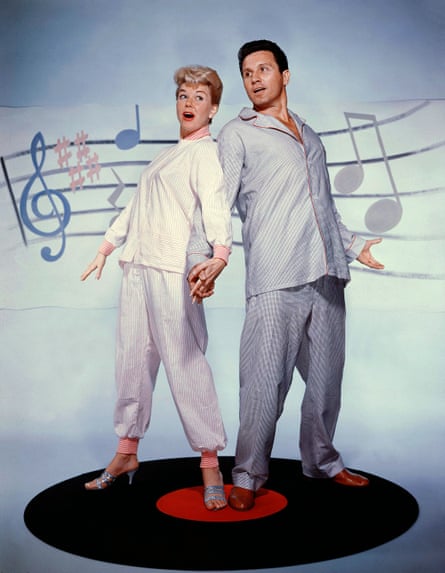
How was it growing up with a father [John Raitt] who was such a big Broadway star? Abbeyorchards7
He had hits in the 1940s with Carousel, and in the 50s with The Pajama Game. By the time I was 10 or 11, he was on the road touring in the summer – he loved taking Broadway shows out to the countryside. That influenced me a lot later when I decided to veer off from college and go into music: his love of travelling, of every night being opening night, and putting everything he had into every performance. And he was on tour basically until his mid-80s, so I think that had a tremendous influence on me: like, we can’t believe we get paid, and this is our job.
Guitar lesson, please! What are the top three things to getting that beautifully smooth slide tone? ToneRay
That feel is something you can’t teach – it’s something where I just listened and listened. I taught myself guitar when I was nine, looking at the fingers of the people at my summer camp. I just played by ear, mimicking what I heard on the radio and on records. I then fell in love with slide guitar, which I first heard when I was about 14.
In college, I developed my own style. I switched to a Stratocaster – I got a really good deal in the middle of the night for $120 – and then a few years later, in 1972, Lowell George [of Little Feat] showed me his MXR compressor [pedal]. I’d asked him how he got the tone to last so long – whether it’s a ferocious kind of dirty sound, or a beautiful clean sound on a ballad, the compressor really squishes the sound and makes it last longer. The rest of it is just imitating something that you love until you feel like you’ve got it; just playing with all your heart and soul every time you pick up the guitar. I was trying to make it as close to the human voice as I could.
John Lee Hooker called you his hero. When I watch tapes of you playing together, the love and joy jumps off the screen. Could you tell us a bit about your friendship? jackworthingjp
When we did our recording of I’m in the Mood from his 1989 album The Healer, that’s when we started to get close. We had a similar sense of humour; we would just get together and talk about this recording or that by BB King or Bukka White or Fred McDowell. He found a kindred soul in me, and I did in him. He was always one of my heroes, but he became just a man, and my pal.
For the recording sessions [for I’m in the Mood], we turned the lights down. I was platonic friends with John Lee, we didn’t flirt or have a romantic thing going on, but I chose that song because it was just so incredibly erotic and alluring. I gotta say it, face to face with him in the dark playing that song … damn! I was literally out of breath and I needed a towel after the session. We all got a big kick out of that. When he aims it at you, man, there’s nobody that can play that kind of lowdown stuff better than John Lee.
I Can’t Make You Love Me has become almost the holy grail of breakup songs. I’m tearing up just thinking about you singing it! Do you ever tire of hearing people tell you how much it means to them? cavelier5
Never, and I never get tired of singing it. It makes me tear up as well! I have been on both sides of what the song is about – I’ve had to tell someone I don’t love them any more, and know what it was like to spend the next night or two with him. And I’ve also been the person who had their heart broken and asked someone to stay over the Christmas holidays even though they were breaking up with me. That heartache is so beautifully expressed in that song. I’m grateful I’m not going through that at the moment, but I just send it out every night to the people I know who are freshly involved in a heartbreak – or about to break someone’s heart, and tell them to be gentle.
I’m very grateful that they [Mike Reid and Allen Shamblin] sent the song to me first. I’ve gotten so many letters from women that have said: “I’ve never seen my husband in tears and when you sing that song, or Angel from Montgomery, I turn to look at him in the audience and see tears rolling down his cheek.” What’s more moving than that?
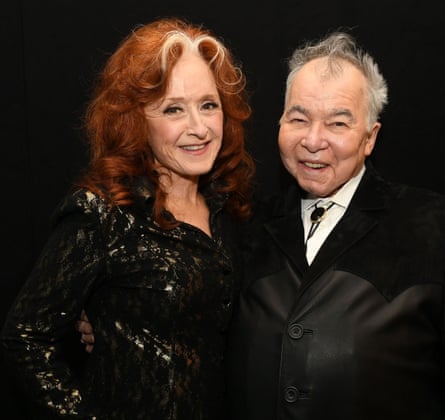
I love your cover of Angel from Montgomery, the John Prine classic. What are your recollections of him? tomcasagranda
No one could turn a phrase like him. Nobody had the insight mixed with that wonderful sense of humour and pathos and genuine appreciation and understanding of the people that he was singing about, including himself. He was just delightful. His personality comes across in his live performances – he is just the same guy off stage as he is on.
We hit it off right away in 1971 when we met. We were both having first albums out – his was a masterpiece of a first album. We’ve toured together over the years, and we became like Huckleberry Finn and Tom Sawyer. We were really bonded for all of these five decades that we got to be dear, dear friends. Losing him and knowing that I wasn’t going to get to sing that song with him again was one of the big heartaches of Covid.
The Grammy-winning song Just Like That delivers a gut-punch reveal [a stranger reveals to a woman that he is carrying the donor heart of her late son]. Have there been any particularly memorable conversations with transplant recipients and families since the song’s 2022 release? McScootikins
I received so many letters from people that had lost a loved one and eventually met the family that received the organs – or, heartbreakingly, so many families that said they wanted to find a donor but the bureaucracy of the organ donation system in America is just too clogged. Very few of the organs actually get to the people that need them and many people die needlessly. It’s been a broken system for a long time, which I wasn’t aware of [before writing the song].
I certainly didn’t expect to win song of the year at the Grammys [beating Adele, Beyoncé, Kendrick Lamar, Harry Styles, Taylor Swift and more], nor did anybody else on planet Earth! Dr Jill Biden gave me the award. Maybe the song was played in her house and she and her husband spoke of it, or his staff did. Within a couple of months he made an announcement to overhaul the organ donation system in the States after decades of it being dysfunctional. There were 4,500 messages on my lyric video on YouTube after the Grammys: story after story from doctors, nurses, donor families and people that wish they had an organ. The ones that break my heart especially are the ones where people long to be able to put a stethoscope or put their head to the chest of someone that has their loved one’s heart.
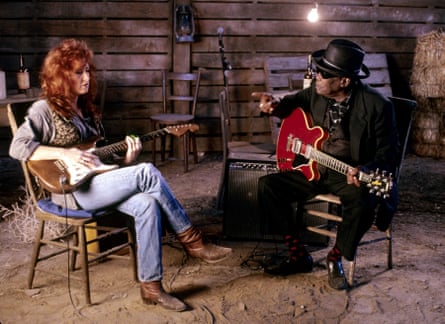
A key part of your career is your numerous collaborations with other musicians – from Ray Charles, John Lee Hooker and BB King to Alicia Keys and Sheryl Crow. Which of these has the fondest memories for you? jimd
That is so tough to answer, like asking which of your kids is your favourite. But I couldn’t possibly choose between them and singing with my dad. It was an honour after all those years of being a blues mama. He said: “Your ballads, it’s just like me singing a ballad in a Broadway show – they’re just stories.” And so I sang Hey There with him from The Pajama Game, and he sang I’m Blowin’ Away with me, together with the Boston Pops Orchestra [in 1992]. That would be my highlight.
The words you’ve written and sung for all these decades, the songs you’ve covered from way back in the day through your last album, have been the soundtrack of my life, our life, gifted to others in joy, in their time of need. Thank you for them and all the brilliant shows I’ve been fortunate to attend with my wife, going back to the 80s. How have you kept your empathy so strong? jfspakowski
I’m glad I have been the soundtrack. I feel that way about Joni Mitchell and Jackson Browne and so many others, so I’m right there with you.
I don’t know how I would be able to sing a song in front of people without feeling it deeply – if I ever started to just phone it in I’d hang up my spurs and stay home! I didn’t think I’d be doing this 54 years later, but if you’re going to be singing it a lot, you better be careful about what songs you pick and what words you write, because you’re going to have to make them real for every audience that hasn’t seen you in a while. They come back, and those songs mean so much to them – and they mean so much to me because of that.
Just Like That is a moving and beautiful song which has deservedly collected many awards and accolades. There is a second song on the album which tells an extraordinary story, and could have been a Grammy-winner in its own right. What was the inspiration for Down the Hall? Weissenborn
I read a New York Times magazine story with a photo essay about a California prison where [prisoners] have volunteered to be on the hospice ward. To be of service to people that need their help, and also to be with them at the very last moments of their life. To hold their hands. The stories and the interviews were so beautiful, and the pictures were so astonishing – I was crying about it. It stayed with me for weeks.
I knew I was going to try to write some story songs for the next record, inspired by John Prine. I wanted to make a story about this: a prisoner that decided to volunteer on the hospice ward of his prison. They’re stuck in there anyway and a lot of them either don’t remember the crime they committed – they might have been high or in a rage – or they just feel so much remorse, without redemption, for the crimes they committed. If it was major harm to children or a loved one or a murder, this is their way of redeeming themselves.
For me, it’s the fact that it cuts across all the gang isolation in prisons. Out in the field they would never hang out with the Latinos, with the skinheads, with the Black prisoners, with the white prisoners – everybody’s separated. But in the hospice ward there’s no separation. Watching someone shave the head of somebody that was tattooed, when the rest of the time they wouldn’t have been allowed to even hang out together – it’s so moving to me.
You use African or Caribbean rhythms in some of your songs, like Hear Me Lord. How has that music influenced your own style? bvigiliant1
I have such a wide range of tastes, from Madeleine Peyroux to Ray Charles, Aretha Franklin, the most gut-bucket country blues, Appalachian music and Celtic music. World music has always just broken my heart wide open. I love African music and guitar playing; I love South Africa and I loved Graceland. I was so happy to see so much of the incredible gift that African music can give the rest of the world, brought out by Paul Simon’s amazing success.
World music has always appealed to me, especially in my early 20s: reggae was really taking over the college scene in Cambridge with Toots and Bob Marley. I loved Oliver Mtukudzi’s music from Zimbabwe [Mtukudzi wrote Hear Me Lord], and sadly, we lost him to Covid, as well as Toots, who was another dear friend. I’ve got two duets with Toots – and we were going to record a song of his as a duet on this last record of mine, but he passed away.
Which artists inspire you today? onemoreseason
If you like Little Feat, great soul singing and great slide, really knocking my socks off lately is the Bros Landreth out of Winnipeg, Canada – a band that wrote my song Made Up Mind, which won the Grammy for Americana performance in 2023, the same year that I won for song of the year.
Lola Young’s Messy is one of the greatest things I’ve heard in years. I’ve always loved Jason Isbell – he’s got an incredible new album out. Janelle Monáe, Chance the Rapper, Beyoncé, Kendrick Lamar – they are putting issues out in a way that is so important to showcase, as well as just great music: inventive and brilliant on every level.
I love Olivia Rodrigo, her songs are killer, and HER is a great guitar player and songwriter. Courtney Barnett from Australia, and my dear soulmate, Maia Sharp, who I’ve got three songs with. Then I would say my friend Brandi Carlile, who has done so much for legacy artists like Joni Mitchell and Tanya Tucker – she is such a fan of music, and making such great music of her own.
I understand your parents were Quakers – is Quakerism still part of your life? Reddawn
I’m known for my social activism, and using music to raise funds and attention for all kinds of environmental and human rights justice, women’s issues and Native American rights. From my folks converting to Quakerism after the second world war, I learned pacifism, and simplicity: not focusing on the material and consuming as much as possible, but being of service. Using your life to make a difference, and when you see injustice or suffering or lack in other people and you try to do something with your actions, not just talking about it or writing a cheque.
My folks did benefits for the peace efforts to try to ban the bomb and stop nuclear testing. I grew up during the Vietnam war era and the civil rights era, and I watched my heroes like Joan Baez and the Staple Singers writing meaningful songs. Bob Dylan really changed my life that way as well.
I don’t go to Quaker meetings as much because I travel so much, but the spirit of all the things I just mentioned are rooted in the Quaker philosophy. The true teachings of Christ and Muhammad and Buddha are so similar, they’re really the same – it’s all about love and not hating your enemies.
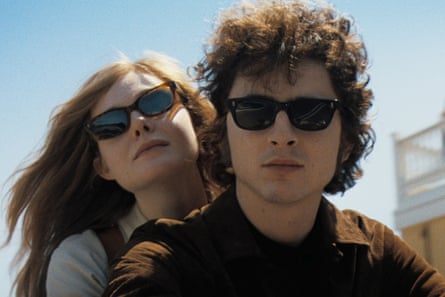
I’ve just watched A Complete Unknown and was wondering if there was a Dylan song that kind of sent you on your way? BoltUpright
Timothée Chalamet, Ed Norton and actually everyone did an incredible job. I really wanted the power of Bob Dylan’s music, and his influence early in the 60s, to be experienced by this newer generation, so I’m grateful that the film was made and has had this success, because my life was changed when I was 13 and his first album came out.
I was a folk music fan living in Los Angeles – I couldn’t get down to those clubs, as I was too young, and I didn’t live in Greenwich Village. For me it was all about records and reading music magazines – which in this case was Sing Out! – and I went to summer camp, where my counsellors were in colleges in the upstate New York and New England area. They were playing Joan Baez, Odetta and Peter, Paul and Mary, and they turned me on to Bob Dylan’s records.
The Times They Are A-Changin’ album was the one that set me on a course: I loved and I learned every one of those songs so I could play them in my room just for myself, with no intention of performing them. He really brought social issues to bear at a time when the country was waking up to what we needed to wake up to, and consequently the world. His growth, his depth, his curiosity and his ability to master so many different styles: he is one of our greatest artists of all time.
Could you share a story about singing and playing with Lowell George of Little Feat? DavidEverard
Hats off to the UK, and Holland, for appreciating Little Feat and Ry Cooder and Randy Newman: artists that did not get a proper mind-blowing fandom in the States as they deserved. Lowell and Little Feat and I were so thrilled to be appreciated in the 70s in England, and we got to go to Amsterdam and, you know, smoke pot and all this stuff you hear about.
Meeting Lowell changed my life. The reason that New Orleans is so special and important as a building block of modern R&B, blues and soul is the international influence: so many different styles of music melding together in one incredibly funky gumbo of country music and blues and Spanish feel. All those things were encompassed in Little Feat, between Billy Payne’s gorgeous piano playing and that killer rhythm section. But Lowell really was able to sing from such an incredibly soulful place. He absorbed all of his influences and they showed in everything he wrote, sang and played.
His appetite for life was just limitless; he had an appreciation for every kind of music and a lifestyle that went with it. There was nobody better, in my opinion, until I heard Joey Landreth, who loves Lowell so much as well. Me and Lowell were dear friends and he died way too soon [aged 34 in 1979]. Who knows what he and Stevie Ray Vaughan and Jimi Hendrix would have been like – or John Lennon at this age – if they hadn’t been cut down early.
Where does your energy and drive come from at this age? MainerfromDC
I am so proud to have lasted this long because so many of our friends suffered from poor health, or their lives were shortened by accidents or suicide or drug addiction. I’m so grateful for my 38 years of sobriety – knock on wood, one day at a time – which is probably why I’m still here just in terms of perspective, emotionally and spiritually. But also getting enough sleep and getting some exercise: I do yoga and weights with a girlfriend on FaceTime three times a week, no matter where I am. And as the world situation is so stressful and so upsetting, I don’t know what I would do if it wasn’t for being able to get out into nature and hike and be with the fellowship of my people that feel like I do about the world.
Bonnie Raitt’s UK and Ireland tour begins 1 June, Ulster Hall, Belfast
Life After… a decade behind bars: A lawyer and proud father after struggle with drugs
So much of the news is about what’s happening in the moment. But after a major event, people pick up the pieces, and life goes on. In this new series, The Straits Times talks to the everyday heroes who have reinvented themselves, turned their lives around, and serve as an inspiration to us all.
Get ST’s newsletters delivered to your inbox

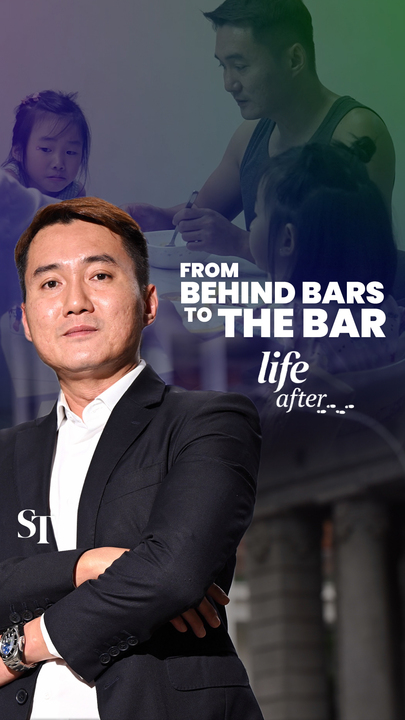
Mr Darren Tan, 46, is now a full-fledged lawyer and deputy managing director at ground-breaking firm Invictus Law Corporation.
ST PHOTO: DESMOND WEE
Follow topic:
ST Life After series
Published Feb 25, 2025, 05:00 AM
Updated Apr 04, 2025, 07:17 AM
SINGAPORE – He taught himself English – a language he had forgotten – then beat his drug habit and stepped out of prison and straight into law school.
The impressive turnaround has won him many accolades, but Mr Darren Tan, now a full-fledged lawyer and deputy managing director at ground-breaking firm Invictus Law Corporation, most values something else altogether.
“My biggest achievement was getting married and starting a family. I never thought I deserved to have my own family, after causing so much heartache, disappointment, and trouble to my parents,” he said.
The Straits Times first interviewed Mr Tan in 2013 as he was working his way through law school at the National University of Singapore. ST caught up with him again recently for this series.
The long road to success
Speaking from his Havelock Road office, the clean-cut 46-year-old is a far cry from the aggressive youth who joined a gang at age 14 and spent his days fighting, extorting money and peddling drugs.
As a child, Mr Tan did well in the PSLE, scoring three As and an A*.
But the latch-key kid, whose father worked in a coffee shop and mother at a fruit stall, was often left to his own devices at home. His friends were in neighbourhood gangs, and he spent a lot of time roaming the streets.
Top stories
Swipe. Select. Stay informed.

Singapore
Parliament to debate Pritam’s suitability as Leader of the Opposition after conviction for lying

Singapore
Slightly fewer people recorded sleeping rough in 2025; new fund launched to trial solutions

Singapore
Security incident at Changi Airport sees departing, arriving passengers at same boarding gate
Singapore
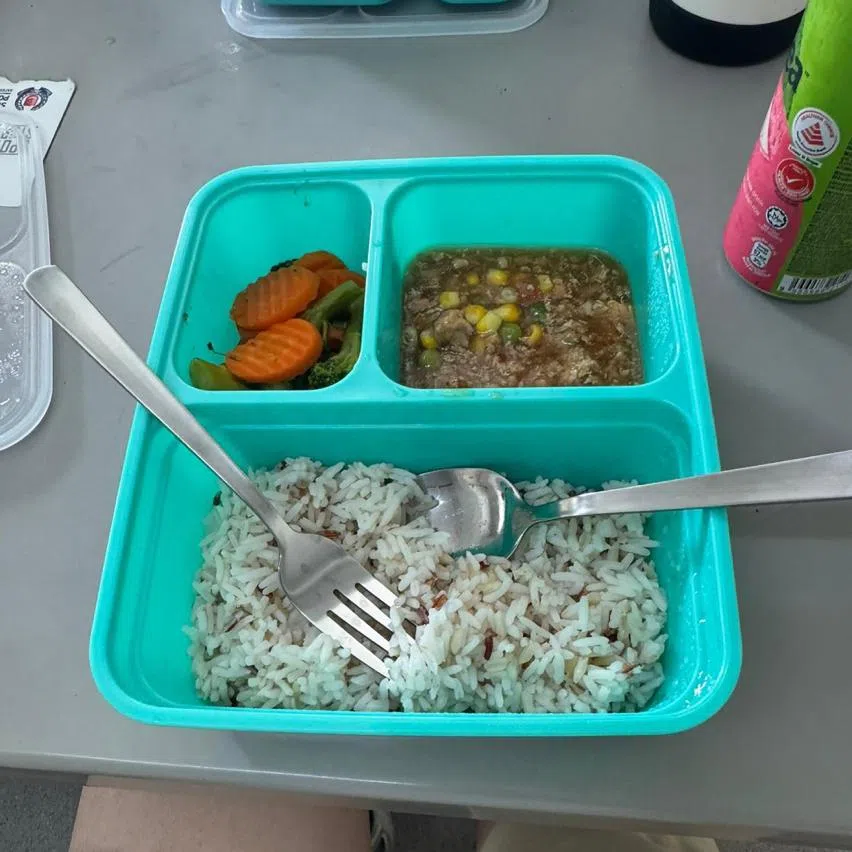
Hwa Chong Institution says no students penalised or reprimanded for voicing opinions on school meals
Asia
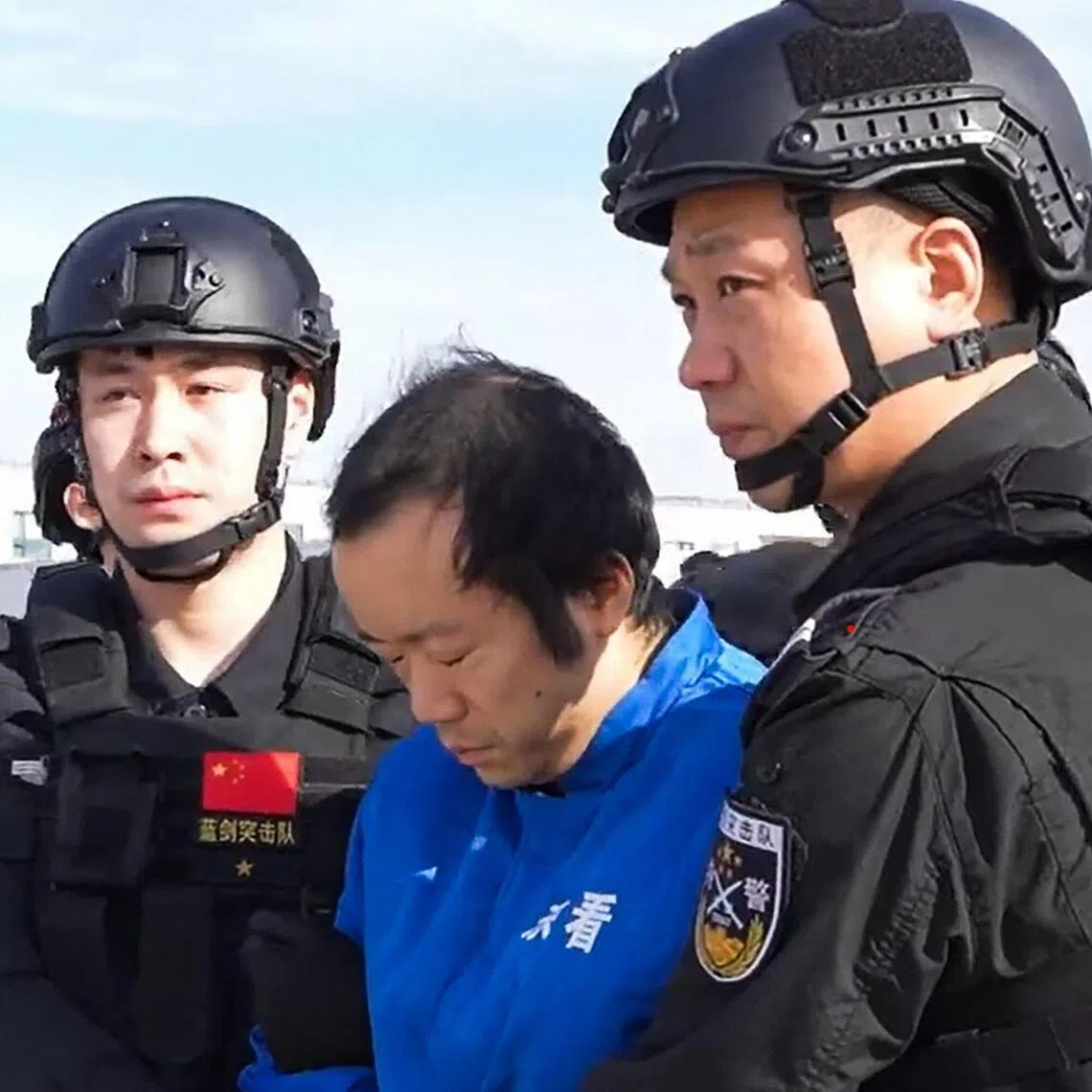
Why Cambodia handed over Chen Zhi, accused of billion-dollar crypto scam, to China

Asia
Cutlery, trays and coins: Rising silver prices send Malaysians hunting for ‘poor man’s gold’

Singapore
Pre-school teacher and childcare worker allegedly abused 3 kids, including baby, in separate cases

Business
From shipbuilder to offshore wind giant: How S’pore firm’s early shift to renewables helped it pivot and scale up
What began as a dalliance with marijuana when he was in secondary school evolved into a full-blown addiction to crystal methamphetamine or “Ice”.
At age 14, he was smoking marijuana, sniffing glue and taking sleeping pills to get high.
He also sold pirated VCDs, collected protection money and was involved in illegal gambling and drug trafficking, often spending long stretches not going home.
By the time he turned 18, he was sent to the Reformative Training Centre for two years for armed robbery and drug consumption.
The strict regime did not make a dent. After he was released, he went back to trafficking drugs. Eleven months later, he was back in jail for trafficking and taking drugs. This time, he was given an eight-year sentence.
Just six months after his release, he was caught again and sent back to prison for another five years for possessing and taking drugs.
He became the first person to feel the bite of the newly amended Misuse of Drugs Act, which hands out long prison sentences to recalcitrant users of synthetic drugs. The amendment was barely one month old.
Play Video
On top of that, Mr Tan received 19 strokes of the cane in total for drug and gang-related offences, and was put in solitary confinement multiple times, including for two months once for fighting with another inmate.
On the outside, he seemed beyond reach. His inner self, however, was in turmoil.
Every time he was locked up, someone dear to him died, including his beloved grandmother. But when things seemed darkest, he reached an inflection point.
Alone in his cell and confronted with a life devoid of meaning or accomplishments, he saw things more clearly at last. At his lowest point, he found God, and decided to make something of himself.
“You can’t lose hope when you hit rock bottom, otherwise you will never get back up,” he said. “You have to keep the faith and tell yourself, you just have to be better today than yesterday.”
Filled with a sense of purpose and the desire to give back, he returned to his studies with a vengeance, re-learning the English he had forgotten from years of speaking only Hokkien and Malay to fellow inmates.
To get up to speed, he read the newspapers intensively and kept a dictionary and grammar book by his side.
He aced the A levels, scoring four As and a B, including A1 for General Paper.
He applied to law school in 2009 and was interviewed in jail by two law professors, who said he demonstrated character, perseverance and commitment, as well as maturity, humility and honesty.
Mr Tan became the first student with such a long criminal past to be admitted to law school at NUS.
But his path continued to be rocky at times.
Fresh out of jail at age 31 and straight into NUS, he felt awkward and self-conscious.
He was older than his peers, dressed and looked different, had no laptop or textbooks, was a newcomer to e-mail and relied on pen and paper.
Instead of socialising with his course mates, he would sit alone in the Botanic Gardens beside the school during breaks.

Recalling one occasion when he did not know the location of a class had been changed – as he did not have ready access to e-mail and no friends to call – he panicked at the sight of the empty classroom and began running up every floor to search for the class.
Along the way, the sole of his five-year-old sneaker came loose, but he continued searching, dragging the flapping sole along.
“I felt I was very self-conscious to begin with, and at that moment I believed that everyone’s eyes were on me, I wished the ground would just open up and swallow me.”
But in time, he made friends, some of them lifelong.
In 2014, he was called to the Bar, an occasion that brought immense satisfaction because of the naysayers along the way. His proud parents, who attended the event, could not stop smiling.
“Things that are worth pursuing are often difficult,” he said. “But the surest way to get there is one step at a time.
“You must keep the faith, and have hope. If you lose hope, you’re done.”
He was accepted as a trainee lawyer at TSMP Law Corporation, where he stayed for five years before moving on to Invictus.
His monumental achievement did not go unnoticed by others. Britain’s Prince Edward, for one, invited him to London to speak about the National Youth Achievement Awards he received while in prison.
He also received a JCI Ten Outstanding Young Persons of the World (TOYP) award in his category. JCI is a non-profit organisation of young people who want to have an impact on their communities.
Mr Tan was not satisfied merely with accepting the accolades.
Keenly aware of his mission to support marginalised groups, including former offenders, underprivileged children and foreign workers, he co-founded Beacon of Life Academy, an organisation to help at-risk youth, in 2013.
He has also served on the board of Tasek Academy and Social Services, a charity with Institution of a Public Character status supporting marginalised groups such as former inmates and those from disadvantaged backgrounds, since its inception in 2014.
Since 2015, he has been a member of the CSR Sub-Committee of the Singapore Academy of Law, which aims to raise awareness and funds for the Yellow Ribbon Fund Skills Training Assistance to Restart (Star) bursary. This provides financial assistance to needy ex-offenders wishing to pursue tertiary education or training after their release. Mr Tan himself was a recipient of the bursary at law school.
He has been active in the working group to organise the CJ’s Cup, an annual futsal event which raises funds in the legal community for the bursary as well as a volunteer aftercare programme. In 2024, he helped invite former national footballer Fandi Ahmad to play in the opening exhibition match.
He was appointed a member of the Yellow Ribbon Singapore Rehabilitation Committee and a member of the National Committee on Preventing Offending and Re-Offending, overseeing national efforts to prevent recidivism and enhance rehabilitation.
And though his bread-and-butter cases come from civil and commercial litigation, he spends about 10 per cent of his time on pro bono cases.
Like the one he worked on with non-profit Transient Workers Count Too (TWC2) to get six months’ worth of back pay to a 49-year-old dishwasher, whose employer had sent her back to China without the money he owed her. The money was wired to her, and the overjoyed woman wrote back to thank the team for their efforts.

“I pick these cases very carefully, and these are the most memorable,” he said.
But the spectre of falling back into his old ways is never far away. “A drug addict can never forget that high. For many, even myself, it’s a lifetime struggle,” he admitted.
Still, a watershed moment happened when he was in his second year at law school, and met up with an old buddy.
“He was taking Ice right in front of me, and we used to do it together. Seeing him do that should have been the ultimate trigger.
“But I had no urge, and even hated drugs for destroying my friend’s life. That was when I knew drugs no longer had a hold on me.
“There are more important things in my life now.”
His friend ended up back in prison.
Firm, friends, family and faith
Invictus is almost an extension of his family.
His wife, Elaine, 36, is the general manager at the firm.
His partner, the firm’s managing director Josephus Tan – himself a reformed delinquent turned lawyer – lives in the same condominium. Both men and their colleagues go jogging together weekly, as well as on holidays overseas with their families each year, venturing to places such as Japan, South Korea and China, the UK and Greece.
“In a very cut-throat industry where everyone is trying to make money, we are more like a family,” said Mr Josephus Tan, 45.
“Darren is one of the very rare few that I would consider a close friend, someone I would actually listen to.”
Life After… a near-death experience: Adrenaline junkie completes triathlon months after a coma
More job options for ex-offenders, but acceptance by society remains an issue
Mrs Elaine Tan, speaking to ST from the family’s Keppel Bay apartment, said she met her husband when he was representing her uncle for drug offences.
“He was able to converse in traditional Hokkien and was respectful, making it very comfortable for the elders to deal with him as none of my uncles speak English,” she said.
“I saw that he was very positive after going through everything, and determined to change.
“It took a lot of courage to do what he did. A lot of people told him not to waste his time… this is the part that impressed me.”
So she asked him out to dinner.
A year later, they were married.
They are now the proud parents of two girls, Phoebe, who turns seven in June, and Hannah, who is five.
“In the past, work was everything to him,” she said. “Now it’s family.”
Mr Tan says the family has enough for all their needs, which are simple to begin with.
“I am contented and grateful.”

The spirit of giving is evident.
When the couple learnt that this reporter was visiting a remote part of Indonesia, they immediately packed two large bags of toys to give to children there, which their daughters helped to pick out from their own collection.
These days, Mr Tan tries to have dinner with his family every night, spending time with the girls before he goes back to work till about midnight.
On Sundays, he may take them to the swimming pool or on walks to nearby Labrador Park.
The couple carve out a few hours together each weekend to be together, going on movie dates or having brunch together.
Said Mr Tan: “Most people would describe me as a workaholic, but although I’m committed to work, family time is very important.
“In the past, I destroyed a lot of families because of my drug trafficking. Now what matters to me most is family, and faith.”