Man who was arrested days after winning $167M Powerball jackpot requests to serve out his sentence
Court documents say he also requested a jury trial and waived his presence at any pretrial conferences or status hearings. (Source: WKYT)
By WKYT News Staff and Emily Van de Riet
PINELLAS COUNTY, Fla. (WKYT/Gray News) – A lottery winner from Kentucky who was arrested days after winning a $167 million Powerball jackpot is requesting to serve out his sentence.
Last month, James Farthing entered a not guilty plea to charges of battery against a law enforcement officer.
EN ESPAÑOL: Ganador de $167 millones del Powerball en problemas con la ley pide cumplir su sentencia
Court documents say he also requested a jury trial and waived his presence at any pretrial conferences or status hearings.
However, this week, the Kentucky Parole Board says Farthing waived his right to a probable cause hearing and the final revocation hearing. He has requested to serve out his sentence, although it’s unclear what that sentence is.
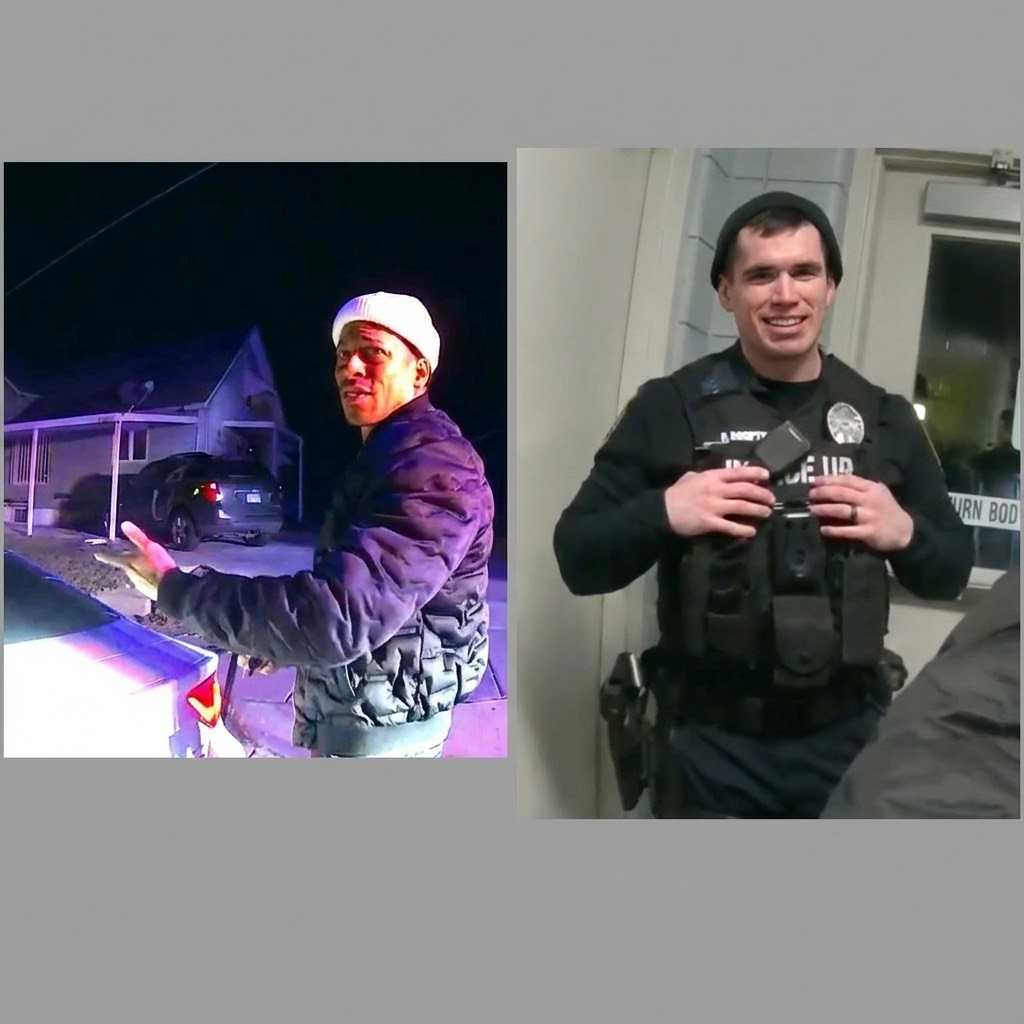
According to police, Farthing was arrested in Florida on April 30 after being accused of assaulting an officer.
It was just days after he bought a $2 Powerball ticket and ended up making Kentucky lottery history with the largest prize ever awarded during the April 26 drawing. He posed for photos with the celebratory check two days before his arrest.
An arrest citation states Farthing was at a hotel in Florida when an officer tried to stop a fight.
One person told officers Farthing punched him during the altercation. The arresting officer said Farthing kicked him in the face and resisted arrest.
Farthing was charged with battery of a law enforcement officer, resisting an officer and battery as well as violating parole.
Farthing was on parole through August 2025 for charges in Kentucky. His court records include convictions of tampering with evidence, engaging in organized crime, drug charges, receiving stolen property and theft by unlawful taking.
Farthing was set to split his lottery winnings with his mother, who said she would use the money to pay off debt.
In an interview with WKYT, Farthing talked about turning his life around.
“I’ve caused a lot of stress on her [my mom], you know, I’ve made some bad decisions in life, and you know, God’s been good because I’ve kept my faith and done right, and something’s happened good for me,” Farthing said.
Copyright 2025 WKYT via Gray Local Media, Inc. All rights reserved.
Lottery winner’s convicted killer speaks out from behind bars
A convicted murderer who killed a lottery winner is fighting for a new trial.
ByDoc Louallen and 20/20

1:09
Trailer: 20/20 ‘Unlucky Numbers’ airs April 18th on ABC
Trailer: 20/20 ‘Unlucky Numbers’ airs April 18th on ABCHow did a winning lotto ticket for $30 million lead to murder? The stunning new 20/20 true crime event – “Unlucky Numbers” – premieres Friday, April 18th at 9/8c on ABC. Stream on Hulu.
ABC News
Dorice “Dee Dee” Moore was convicted of murdering Florida lottery winner Abraham Shakespeare in 2012. More than a decade later, despite numerous failed appeals, she continues to maintain her innocence.
“There was no reason for him to pass away over money,” Moore told “20/20” in an exclusive interview from prison.
A new “20/20” episode, “Unlucky Numbers,” airing Friday, April 18, at 9 p.m. ET on ABC and streaming the next day on Hulu, examines the case.
You can also get more behind-the-scenes of each week’s episode by listening to “20/20: The After Show” weekly series right on your “20/20” podcast feed on Mondays, hosted by “20/20” co-anchor Deborah Roberts.

The case captured national attention when Shakespeare, who won a $30 million lottery prize in 2006, vanished in 2009. His body was found buried under a concrete slab in Moore’s backyard, with two bullet wounds to the chest.
Before hitting the jackpot, Shakespeare picked up odd jobs around Lakeland, Florida. He unloaded trucks, swept floors at a barbershop, doing whatever he could to get by.
After taking the $17 million lump sum payment, his generosity became legendary in Lakeland — and ultimately made him vulnerable.
“People did not hesitate to come to Abraham,” reporter Deborah Mathis, who covered the case, told “20/20.” “‘I need money for my mortgage…’ ‘They’re going to repossess my car…’ ‘I’ve got to bury my mother.’ Everything you can think of that someone needed.”
In 2008, Moore connected with Shakespeare through his realtor, claiming she wanted to write a book about his rags-to-riches story.
MORE: Bride murdered 2 days before wedding reveals groom’s secret double life

At the time, Moore owned American Medical Professionals, a nursing staffing agency, and people close to Shakespeare said she came across as a successful businesswoman.
Moore claimed that she offered to help with Shakespeare’s growing financial complications. According to Mathis, Moore soon became his emissary, collecting money from people who had borrowed from him.
She also began recording their conversations, capturing Shakespeare’s appearing fed up and wanting his old life back. She showed the police a video and claimed that Shakespeare ran away because he was depressed about the constant demands for money.
Prosecutors painted a different picture, alleging Moore withdrew $1 million from Shakespeare’s accounts, purchased luxury vehicles including a Hummer and Corvette and went on vacation with the money.
MORE: Why Nathan Carman, suspected in his mother’s murder, remains ‘both a victim and a villain’
The investigation took a turn when authorities discovered that Moore had paid Shakespeare’s friend Greg Smith to make a fake call to Shakespeare’s mother Elizabeth Walker, pretending to be her son.
Walker, who died in 2023, was delighted to hear from her son but knew the voice was off. She called police and they traced the phone back to Smith, who later became a key witness in Moore’s trial.
“I didn’t feel right about it, but I thought I was helping Ms. Walker feel better, because she’s been worried about her son,” Smith told detectives in 2009.
Smith said he was unaware that Moore was behind Shakespeare’s disappearance and death. He worked with authorities to help them obtain evidence against her.

Moore was convicted of first-degree murder in December 2012. Despite serving a life sentence without parole, she continues to fight her conviction. She tried appealing three times.
“I feel there’s a lot of ignorance in the world that does not understand that it was a one-sided trial,” Moore said in her recent interview with “20/20.”
In her latest appeal in 2023, Moore claimed corrupt investigators had been bribed by drug dealers connected to Shakespeare. Police denied those allegations.
“I have never heard of anything of this corrupt drug network involving Abraham Shakespeare, or corruption within either of our departments,” investigator Greg Thomas told “20/20.”
The judge denied her request for a new trial.