‘Gentle parenting left me drained’: Why more Indian parents are embracing ‘FAFO parenting’ to let kids learn the hard way
FAFO—short for ‘F*** Around and Find Out’—is a rising parenting trend among exhausted Indian parents ready to let natural repercussions replace gentle guidance.
“One winter, I kept insisting they (the children) wear sweaters and was met with endless resistance. Finally, I let it be. Within minutes of stepping out, they were cold and reached for the sweaters themselves. That day I realised that one real experience was worth ten lectures,” said Gayatri Sethi Jain, a 34-year-old mother, in a conversation with indianexpress.com. This moment marked her shift from endless explanations to letting consequences do the teaching.
She had, unknowingly, tapped into what the internet now calls ‘FAFO parenting’, short for ‘F*** Around and Find Out’. The approach is gaining traction online among parents exhausted by constant negotiations and ready to let natural repercussions do the teaching.
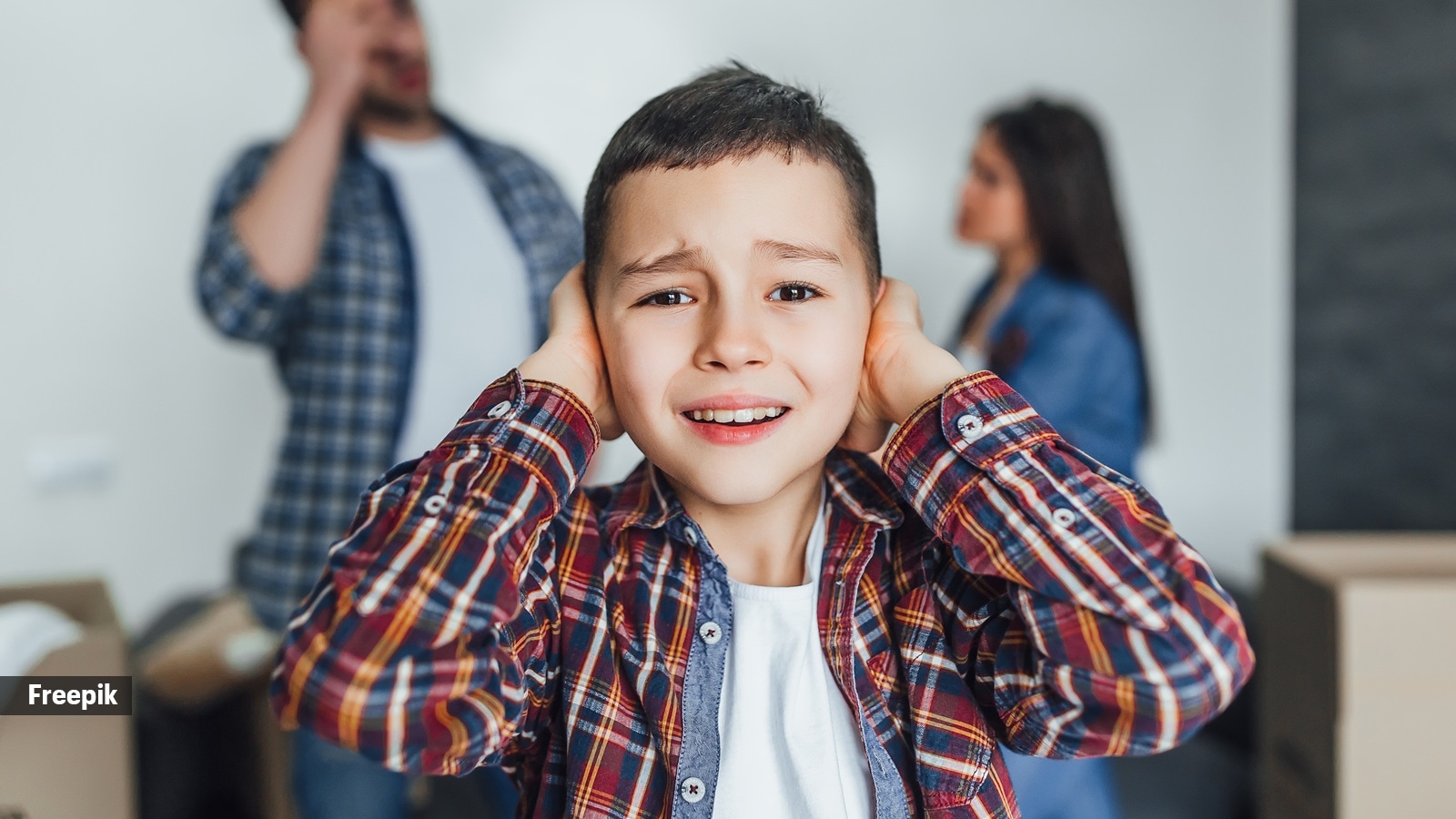 What is FAFO Parenting? (Source: Freepik)
It operates on a deceptively simple principle: parents can ask and warn, but if a child breaks the rules, mom and dad aren’t standing in the way of what follows.
The gentle parenting fatigue
The rise of FAFO comes in response to the challenges of gentle parenting. “Gentle parenting became very popular, but many parents are finding it difficult to make it work in real life,” explained Jitendra Karsan, chairman of Safari Kid. “It’s great in theory, but some feel it leaves kids without clear boundaries.”
Jain experienced this: “Gentle parenting alone left me drained and my kids unprepared.” Over time, she found balance in blending gentle guidance with natural consequences. “It respects their intelligence, teaches accountability, and prepares them for real-world systems where not everything comes with a warning.”
Concurring, Karsan stated: “FAFO parenting can frustrate children, but it quickly teaches them cause and effect. Done thoughtfully, it builds resilience and decision-making. Done harshly, it risks denting confidence or fuelling rebellion.”
Learning through experience
FAFO also aligns with developmental psychology. Rajvi Turakhia, a counselling psychologist, said: “Jean Piaget spoke of how children construct knowledge through active exploration, while Lev Vygotsky emphasised ‘scaffolding’—offering just enough support, but letting the child climb on their own.”
But, she stressed, “FAFO is not about neglect, it is about trust. It says, ‘I believe in you enough to let you try, even if you fall a little.’ What matters is the parental response. Meeting failure with shame breeds fear; meeting it with warmth builds responsibility without rupture.”
Real-world implementation
For Shweta Sharma Bhardwaj, a single mother, the approach proved practical. “Time and energy are limited. If children experience the consequences of their actions, they learn faster,” she said. Her example: “My son often delays meals while playing. One day, I stopped reminding him. When his food went cold, he realised cold food doesn’t taste as good. Gradually, he started eating on time.”
Similarly, working mother Chetna Israni follows what she calls the “75-25 rule”: “About 75 per cent of parenting is conscious—gentle guidance and communication. The remaining 25 per cent is about letting consequences play out. If my teen prepares last-minute for a test, I don’t rescue her. A lower score is her lesson.”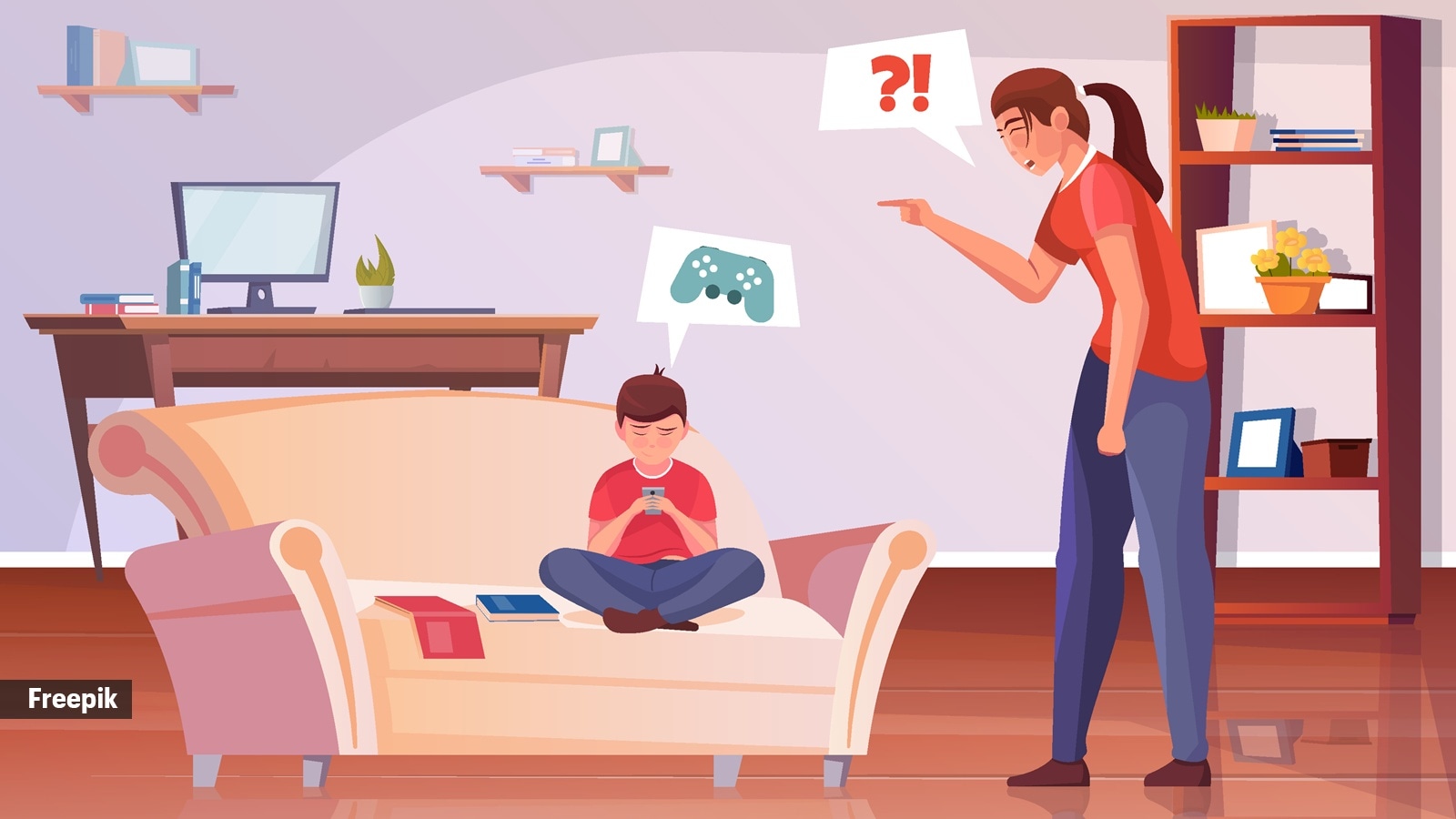 FAFO parenting can frustrate children, but it quickly teaches them cause and effect. (Source: Freepik)
The cultural context
In India, where protecting children often equates to love, FAFO can feel counterintuitive. Yet Turakhia points to cultural parallels: “‘Jaisi karni, waisi bharni’ (as you sow, so shall you reap).”
Parenting coach Jayati Agarwal called FAFO a modernised form of this wisdom. “It’s time to break generational patterns where obedience comes at the cost of individuality. Respect should flow both ways, and children deserve to be respected for their choices.”
She also said, “Children raised with FAFO may appear outspoken or independent, unsettling elders who equate compliance with respect. But these kids are better prepared for the future.”
What mental health experts say
Mental health experts offered nuanced views and shared challenges one might overlook. Gauri Joshi, founder of The Soul School Mental Health, warns about implementation pitfalls, “In cases of avoidant parents adopting this approach, they may steer clear of responsibility or taunt the child if something goes wrong. This will lead to the child hiding truths to protect themselves from hurt or shame.”
The key lies in emotional availability, she said, adding that having children take some stake in their own upbringing, while being understanding at the core, is what is “the right balance between gentle and FAFO parenting.”
Consequence vs. punishment
Parenting coach Agarwal highlighted a crucial distinction. “Parents must remember that consequence is not equal to punishment, else it can collapse back into authoritarianism. Rather, it should be used as an opportunity to learn important life skills such as self-awareness, accountability, learning from mistakes, and accepting failure,” she said.
Karsan, however, shared some practical limitations: “Not everything can be left to consequences; for example, you wouldn’t let your child play with an electric socket just to ‘learn the consequence.’ FAFO needs to be age-appropriate because as children grow, their appetite for risk increases, and not all risks are worth taking.”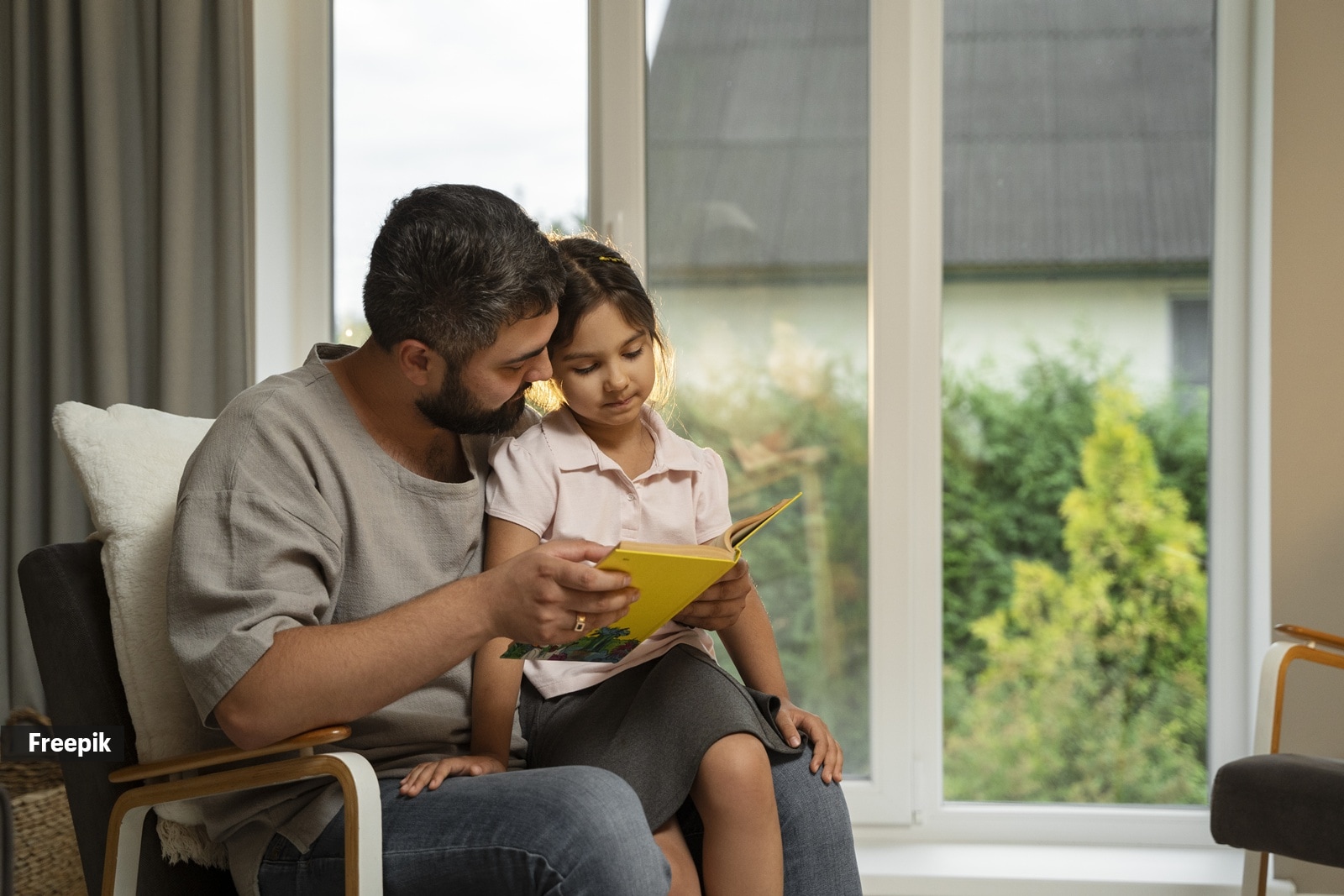 Compassion must always remain central- consequences should teach, not crush a child’s spirit. (Source: Freepik)
Striking the right balance
Most parents and experts find themselves gravitating towards a middle path. Pallavee Dhaundiyal Panthry, mother of two teens, explained: “Gentle parenting nurtures emotional security, while FAFO prepares children for the rigour of life. Both empathy and resilience are needed.”
Her own example: “When my elder one slacked on studies, instead of nagging, I told him, ‘I trust your sincerity.’ When his results didn’t match, I encouraged him to self-reflect and improve.”
Agarwal noted that children raised with balanced FAFO often show stronger problem-solving skills and resilience. Turakhia used a gardening metaphor, saying, “Parenting is like gardening. Too much water (over-explaining) drowns roots; too little (absence) leaves them dry. The right balance helps them reach for the light on their own.”
Why letting go may be the answer
The consensus is that FAFO is effective when rooted in learning, not in proving children wrong. “The key is not to weaponise it with ‘I told you so’ moments,” Agarwal said, adding, “FAFO is about learning, not about shaming.”
For parents exhausted by endless explanations yet uncomfortable with authoritarian control, FAFO offers a third way. “My first thought is that this approach is not about harshness but about realism. In India, where family and community bonds are strong, children do need to learn that actions have consequences. Shielding them too much weakens resilience. That said, compassion must always remain central- consequences should teach, not crush a child’s spirit. Children should always feel they are loved, even when being corrected,” said Panthry.
Teenagers on How Covid Has Changed Them
This month marks the fifth anniversary of the pandemic. We asked students how their lives are different today because of it.
- Share full article
- 25

By The Learning Network
March 20, 2025
Last week marked five years since the World Health Organization declared Covid-19 to be a global pandemic. Almost overnight, the world shuttered and our lives transformed. All this time later, we are still feeling the effects.
In our Student Opinion forum, we asked teenagers: How did Covid change you?
For some, the forced isolation of those years put them behind at school and in their social lives. It made them more reliant on technology and social media. Looking back, they’re still sad about the school graduations and birthday parties they missed out on.
For others, though, the time at home was a welcome reprieve. They got more connected to themselves, they said, they gained a certain independence, and they discovered new hobbies and interests. Their lives are better for it.
Regardless of whether the experience was a positive or negative one for them, many students told us those years made them realize how precious life really is and they learned how to appreciate the “little things.”
Read a selection of their responses below.
Thank you to all the students who shared their thoughts on our writing prompts this week, including those from W.T. Clarke High School in Westbury, N.Y.; Maine; and Malaysia.
Please note: Student comments have been lightly edited for length and clarity.
_________
Some teenagers said the pandemic made their once safe world feel like a scary place.
I can recall the exact day when I realized that the pandemic was a life death situation. One day my father just came back from work and told us the construction company he works for would stop working because many employees were dying and the pandemic kept getting worse and created fear in so many people. I remember the fear I had watching the news and hearing how every day there were a huge number of deaths. But the real fear kicked in when my mother tested positive for coronavirus. One day we were all together eating dinner and the next morning my mother locked herself in her room to not infect us with coronavirus. My sisters and I were only able to wave at her through a window from her room. Seeing her so sick and fragile built an enormous fear in me of losing my mother. The only thing she asked my dad was to not take her to a hospital, she felt so sick that she told him if she did not survive she would rather die in her bed with her daughters than in a hospital. With my mother in a life-death situation, my dad unemployed, two sisters under the age of 8 who had to switch to remote school all I worried about was if we would make it out in such a scary situation.
— Tatiana, W.T Clarke High School, Westbury, NY
When my parents needed to go food shopping, they would put on two masks and gloves. I remember my mom ordered a package and when it came, she had put it on the floor and my dad got really nervous about the germs now being on the floor. Before Covid, this was unheard of. When I would go outside to ride my bike and get fresh air, I would put a mask on. I was so scared to get sick. My family and I would always track the amount of Covid cases and deaths on our TV and smartphones to best keep ourselves safe. Even now, five years later, I am still nervous about germs — I don’t want to get sick. Covid was a very scary experience for me.
— Analinda, W.T. Clarke High School
I think the pandemic has changed me. I was in 5th grade when the pandemic happened and I remember it was in the winter time and we had just gotten back from our family trip to Florida. There were bad snow storms so our flights kept getting delayed … It kind of taught me that the world is a scary place and people all over can be affected by one little thing.
Many mourned the important milestones they missed out on.
Covid for me started in 6th grade and I still remember thinking that I would have two weeks off plus spring break, but instead I missed the rest of 6th grade and all of 7th grade. When we came back during 8th grade “there were a lot of firsts I was missing out on.” There were missed field trips that the 8th graders before us usually took. Also most of us hadn’t really talked to each other in person since 6th grade so it was awkward for us for a while, but we slowly got used to each other again. Also, we had to wear masks now and also social distance during lunch and because of that, we had our lunch split where half of us would eat and the other half would be in the auditorium only being able to talk or do homework.
— Aaron, Glenbard West HS, Glen Ellyn, IL
My most vivid memory from the pandemic is my 13th birthday … My mom made me chocolate chip pancakes as she always did, but that was the only highlight of the morning. Then my routine continued as it did for the past month. Then, late in the afternoon, I heard a bunch of honking outside my house and down the block. My parents and I went outside and I realized they had organized a “birthday car parade.” This was when a person’s friends and family made posters and each person’s car lined up around the block in a line. Once everyone was ready, the line drove down the block, honked, and screamed, “happy birthday.” I was happy in the moment, but shortly after, a wave of sadness passed through me. This is when I realized that everything had changed, and that it would not go back to normal anytime soon.
— Sophia, W.T. Clarke High School, Westbury, NY
I too wish we had a normal 5th and 6th grade experience. Nowadays all of the kids in elementary and middle school can experience a normal life in 5th and 6th, but we had to do remote learning and that wasn’t bad but again we didn’t have that experience of middle school and elementary.
Several reported that remote learning and the stress of the pandemic negatively affected their education.
One of the ways that Covid-19 affected me the most, and it is something I won’t forget, is how it negatively impacted my education. It was not easy to stare at a computer for eight hours straight and pay attention. I felt like I barely learned because I was not in a classroom setting but rather in my house and in my bed, which unmotivated me most of the time.
During the pandemic, my school used Google Classroom and video chats for instruction and assignments. With constant technological disruptions and a lack of physical presence in the classroom, I began to become more independent in my studies. Without the ability to turn to a peer or directly consult a teacher face to face, I found myself struggling at certain points in my work but unable to ask for help. This situation forced me to rely on myself to take in class material and understand it with my own resources. When I returned to in-person instruction, I found that my independence proved to be both an asset and a liability. I am now able to work independently on assignments without needing to rely on my peers. However, this has also caused me to have a difficult time asking for help if I need it.
— Shay, W.T. Clarke High School, Westbury, NY
Covid-19 changed me drastically. I had just lost my grandmother, my sister had moved out, and my parents had gotten divorced and moved into separate homes. I was in 7th grade, and it’s a pretty universal understanding that middle school is some of the hardest years of education. It’s a time of rapid change and adaptation, and whether Covid existed or not, I was still experiencing extreme changes in my environment. It definitely was not much of a help to experience a global event on that scale during already difficult times. Like most kids, the decline in my motivation and academic success can be attested to the effects of the pandemic. It didn’t feel like much effort was needed to get through online courses, and the next two years were made easy by the fact that it was almost impossible to do anything in a normal way.
— Daniel, W.T. Clarke High School, Westbury, NY
And the transition back to in-person school was difficult.
Being in my house a lot and not going out made it so that I didn’t socialize with anyone, and when I did, it was through a screen, so I could put up whatever persona I wanted people to see. Once we started going to school in person, I had a hard time socializing and I often got very nervous interacting with people I didn’t know. It made it very hard for me to make friends, and whenever I’m in class and we have to get into groups, I start getting anxious because I don’t know anyone and I’m watching everyone else get into groups. It makes me anxious about being left out and I always stress about how other people see me and what they think about me.
Covid also made me stress about the unknown and the future, because every day with Covid, I wouldn’t know what would happen the next day. Everything was unpredictable, so that caused me to have a lot of stress about what’s going to happen tomorrow or in five years, and I stress whenever I plan my day and it doesn’t go according to plan.
— Nicole, Watsonville, California
The pandemic didn’t really change me much except for one factor. I was doing fine with remote learning and I got good grades throughout the year. But it was the anxiety of going back to school in person and dealing with people that made it bad. That is the only change the pandemic had on me. This change still affects me today as my anxiety never really left me.
Some students said the forced isolation during those critical growing-up years is still affecting their social skills today.
I think the most prominent effect I noticed from the time we had in quarantine and the months following that, was that everyone became increasingly isolated. People spent a lot more time on their phones and were a lot less likely to talk to new people. I also noticed, as mentioned by Mr. Wallace-Wells, people became hyper-individualists, I think due to the fact we had spent more time surrounded by algorithms on social media than we did surrounded by other people, and America became a harsher place largely because we stopped trusting each other, and also stopped trusting those in charge.
Social skills in people have drastically decreased, which genuinely upsets me. I remember my brother at my age would go to events that he didn’t know anyone at and just hang out, but now if you aren’t best friends with someone it seems they don’t want to do anything.
I found ways to keep myself busy like binge-watching every TV show and movie, going on bike rides and baking, but spending most of my time on social media. I never felt dangerously bored or like I was going “insane” from not being able to go out, but still I made myself comfortable with living vicariously through my favorite social media influencers. Watching every video of them going to parties or on vacation or just talking helped me feel not so alone. But, what I didn’t know was at the same time, I was letting societal norms take over my mind and control my every move. I started to believe that if I wasn’t exactly like these influencers or “perfect” people, no one would like me. Of course I wasn’t like these influencers and I didn’t have everything they had, so I tried my best to push down what I came to believe were the worst parts of me. When we went back to school, I restricted myself from being who I truly was because I convinced myself that I couldn’t be enough, and I definitely didn’t want people to see that I wasn’t enough. So while Covid-19 didn’t impact me directly, it forced me to live in my head, and it took a long time for me to learn how to get out of my head.
If you saw a picture of anywhere on the planet five years before Covid, and then five years after, you’d most likely not be able to tell the difference. Now you may be asking yourself, “How did it change then?” I’ll give you one word: people. Humans aren’t the same. This is the most prevalent in children. Especially those in their KEY development years. Before the pandemic, kids would look forward to the weekend. They’d think about all the fun places they would go, they’d imagine how much fun they would have doing those things. During the week they’d spend time with their family, playing games with friends, and interacting with people in their life every day. But then the world shut down. Kids got used to staying at home. When kids are really young, they like copying everything they see. That’s how they learn. If they see all these people at home, bored, scrolling on their phones, that’s what the little kids are going to want to do. They’re going to grow into adults with the same hobbies. They’ll have kids, who in turn, will copy their parents. It’s an endless cycle. Somehow, we need to break that cycle. This goes for everyone. I don’t know how, but I think we can all agree that no matter your age, life has changed. We need to change.
— Tristan, Glenbard West HS, Glen Ellyn, IL
But others said the lockdowns made them more independent in a good way.
I would be lying if I said Covid did not change me. The most significant characteristic about myself that stood out after Covid was my change of attitude toward independence and reliance on others. Pre-Covid, I had noticed that I constantly hated being left alone and I surrounded myself with friends 24/7. I hated being alone and I hated the feeling of “loneliness.” After Covid, I noticed my attitude toward that had changed. While I am not sure if it also correlated to me becoming overall more mature, or not, I noticed that I began loving my alone time. Whether that was evening time or school, just staying home and relaxing or during the day on a weekend, I notice a change in what the norm for me was. Instead of texting my friends to come shopping with me or going to Starbucks and Target, I have learned that I now enjoy doing those hobbies alone. In some way, it’s a way for me to disconnect from the world around me and do what I love by myself. Although I still have love for my friends and being with them, I have learned sometimes it’s okay to be alone and isolated while doing what you love. I encourage people around me to try the same things!
— GG, New Rochelle High School
Covid changed my life for the better … I think? I was in 7th grade when lockdown first happened. I was truly terrified of going outside because I was so scared of the unknown. Staying at home and avoiding the public really gives you a lot of time to just think. Being by ourselves all the time “ … turned us into hyper-individuals.” I started to somewhat get more independent from being away from everyone, and I started trying new styles because I didn’t have to worry about being judged by the other kids around me. While middle school is already a huge scary time of change, I made it an extra big priority to focus on myself and stay away from all the judgment and drama around me.
Covid changed me in ways I didn’t expect. Honestly, I kind of liked it when everything shut down. No more forced small talk, no awkward social situations — just me, my space, and my own time. It was nice not having to constantly be around people. I could focus on things I actually enjoyed without the pressure of always being “on.” Of course, it wasn’t all great, but I think it made me realize how much I value alone time. Now, even though things are back to normal, I’m more aware of how much socializing drains me, and I prioritize my own peace more.
And several students told us Covid was a time of significant personal growth for them.
Short bicycle rides through the town on a warm summer afternoon, cups of popcorn shared with my sister at the movies, rounds of Cat’s Cradle with friends during recess, long walks through the public library on a rainy day. So many missed, replaced by Zoom meetings, hand sanitizer, and masks. Nonetheless, in retrospect, it made me notice the often-overlooked pieces of euphoria in our daily lives. These moments taught me how to be grateful for everyday things that had gone unnoticed. Additionally, with all the free time given, I had more opportunities to talk, read, draw, and think more. Overall, I like to consider the pandemic as my time of personal growth, though I extend my genuine condolences to all victims of Covid-19.
— Michelle, Seoul, South Korea
2021 was also the year I started writing. It began with writing fan fics about the movies and shows I watched, which later turned into me writing original stories.
It was the time I was the most creative and imaginative. I had no pressure from school or anyone, not my parents, nor my teachers, nor the school (I didn’t worry about school as much since it was online). All I ever did was spend my time watching TV and writing a lot. I filled more than 30 notebooks with only fan fiction and my story ideas, all handwritten (no kidding). I wouldn’t be able to do that anymore since I don’t have the time for it.
Covid built up my personality. I am who I am all because of those two years.
— K, India
Honestly Covid was some of the best days for me. I lost 10 lbs., grew a half foot and gamed 24/7. I slept in a tent for two weeks straight, played games till 4 am every night and that way, I could stay social by talking to friends. It genuinely was some of the best moments of my life … I think yes, in some people’s lives it was really hard, for grown-ups especially, but I was living every kid’s dream … After a while I started working out. I would run to my school to get the free meals they would give out. I went from 5’5” tall 175 lbs. to 6’1” 170 lbs.
— Cam, MN
I learned cooking, candle making, and soap making in my house, made at least 10 collections of Lego with my twin sister, spent three hours every day playing with dolls with my twin sister, read a stack of books after gardening with my dad, worked as part-time stray cat feeders, learned to ride the bicycle and the skateboard, and had a real bonding time with my family more than ever. I wouldn’t be who I am today if we never had the pandemic.
In the end, whether their experience was positive or negative, many students said those years made life feel more precious.
The pandemic taught us about patience and resilience, but it also showed us deep inequities — some students had quiet spaces to learn and consistent internet, while others struggled just to get online. I discovered how fragile “normal” really is and how much we rely on each other. While the world appears more alone in some ways now, I hold on to the fact that it is the little things — laughing with friends, going for a walk outside, having an in-person conversation — that are truly significant.
One of my most memorable moments is when we held a walk down my cousin’s driveway to celebrate his graduation since he couldn’t actually do it. With the pandemic we couldn’t do the normal celebrations we usually do, so we zoom called for Christmas with family and dropped off gifts at their doors. I feel the pandemic brought me closer to my family because I realized how precious life is and how much I love my family and the time I spend with them.
Covid-19 imposed a personal touch on my life and changed my outlook. I remember being frightened and confused about what was happening around the time that the pandemic occurred. I really truly missed spending time with my friends and having fun, and staying at home made me feel totally alone. I learned that I was able to appreciate the little things, like taking a walk or hanging around with my family, but I was lonely and stressed as well. I learned how important being together was to me and how easily it could be taken away. Looking back, I know I would have appreciated more information about mental health and remaining connected, even though we’re apart. Overall, Covid taught me to appreciate the people that surround me as well as the small things in life!
Covid changed me by giving me the instinct to find even the smallest light in the darkest moments and thrive in it. It taught me that nothing — neither the good nor the bad — is permanent. Whatever situation I find myself in, this too shall pass.
It made me realize that in every difficult experience, there’s always something worth holding onto. Even if it’s small, even if it’s dim, I need to focus on that and make the most of it. During lockdown, that meant board games with my cousins under the blankets, meditation sessions with my grandparents and siblings (even if we got bored halfway and secretly played arm wrestle under the blanket), painting bottles in the garden, or throwing a lawn party with homemade snacks. These moments weren’t grand, but they were ours.
More than anything, Covid brought me closer to my family in a way I never expected, and that’s something I’ll always carry with me.
And when I lost my sense of taste, I didn’t think much of it — until I got it back. One fiery bite of chili garlic noodles made me realize how much we take for granted. It’s always the little things.
So yeah, Covid changed me. It taught me to look for the good, no matter how small, and to really appreciate it. Because even in the worst times, there’s always something worth holding onto.