How a driving score turned road safety into a national game in Korea
In a country obsessed with rankings, the latest national competition isn’t about grades. It’s about who can drive the safest.
Thirty-one thousand, three hundred and sixty-six.
That is the number of traffic accidents South Korea’s most widely used navigation app, Tmap, claims it has helped prevent between 2018 and 2020.
The figure comes from an internal model comparing the accident rates of drivers with high “driving scores” to those with lower ones, adjusted for distance driven.
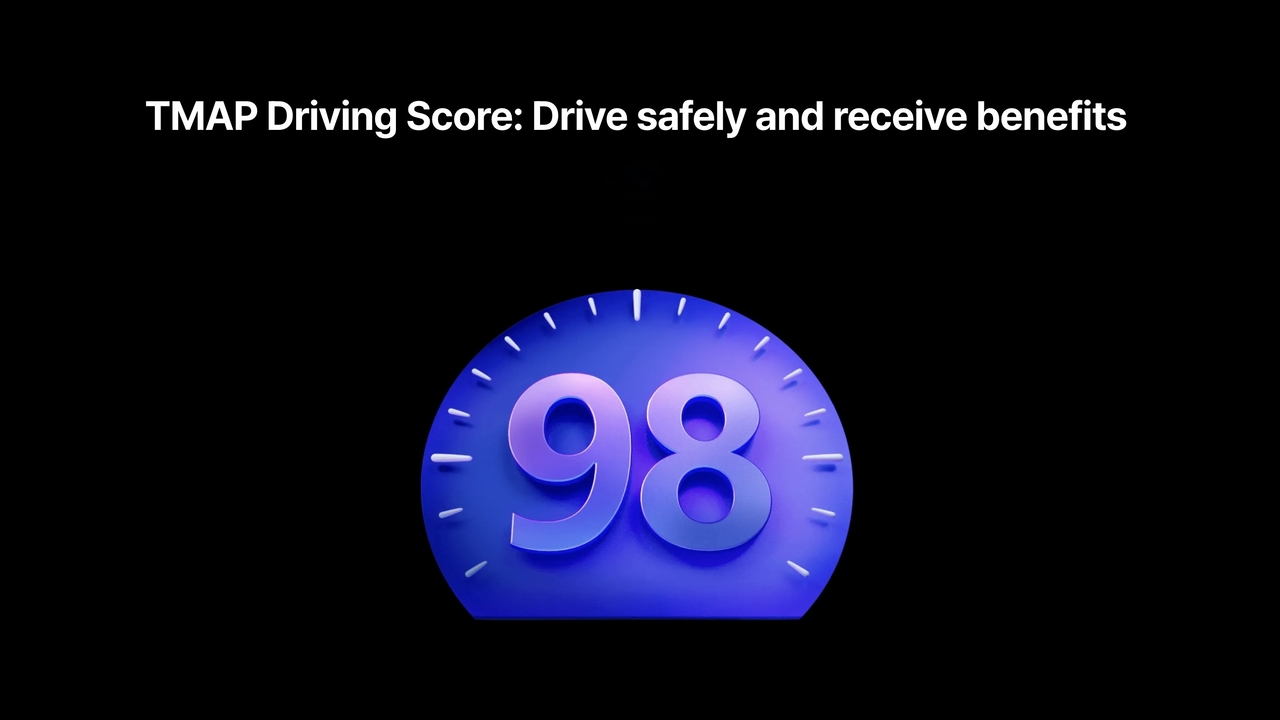
It is not the product of a government audit or a peer-reviewed study. In a country that records around 200,000 road accidents annually, it is a striking claim.
“Sure, it’s part of the company’s PR,” says Chun Ji-yeon, senior researcher at the Korea Insurance Research Institute’s mobility center, “but that number is still a concrete, if imperfect, measure of how Korea’s embrace of gamified driving scores might be nudging behavior in safer directions.”
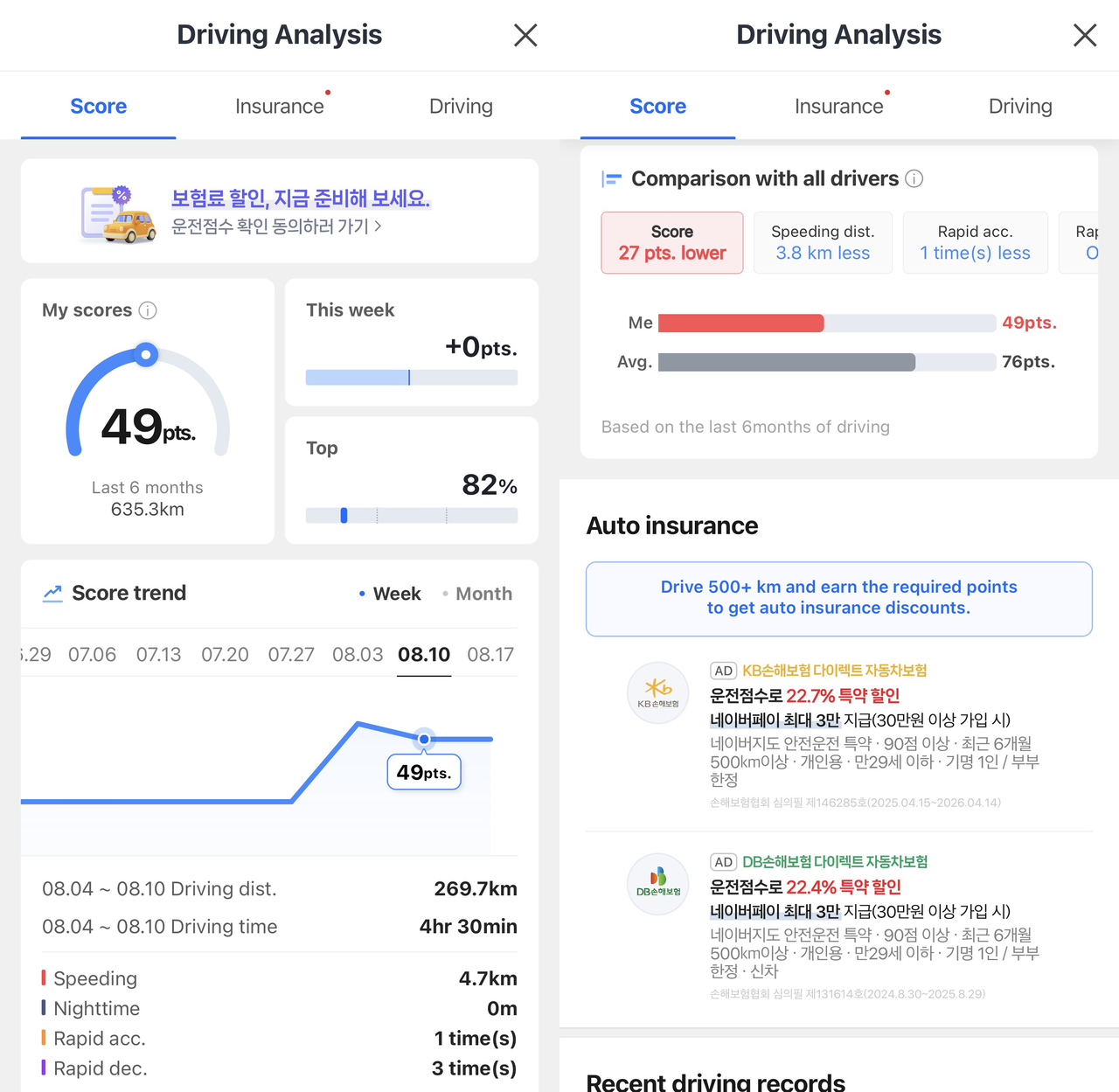
Since 2016, when Tmap rolled out its “driving score,” the concept has spread to Naver Map in 2024, Kakao Map in 2022 and even rental-car platform Socar.
The formula is simple: your phone tracks acceleration, braking, cornering and speeding; the smoother and more law-abiding your driving, the higher your score. Points translate into auto-insurance discounts, gift credits or both.
According to Tmap last year, participation in the Driving Score program has surpassed 19 million drivers, of whom 10.1 million have scored well enough to secure insurance discounts.
In most countries with usage-based insurance, the score is private and functional. In Korea, it is social. Scores are integrated into apps millions already use daily, displayed alongside rankings against other drivers.
“It is one of the few score-based competitions in Korea where everyone benefits when scores rise,” said Chun. “Safer driving lowers accident risk, insurers save on claims, and drivers save money. It is a rare alignment of interests.”
A carrot in a land of sticks
For decades, Korea’s road safety gains have come from stronger enforcement. Laws against drunk driving have tightened. Networks of unmanned speed cameras have expanded. Regulations in school zones, especially after the 2019 “Min-sik Law,” have sharply increased penalties for speeding near children.
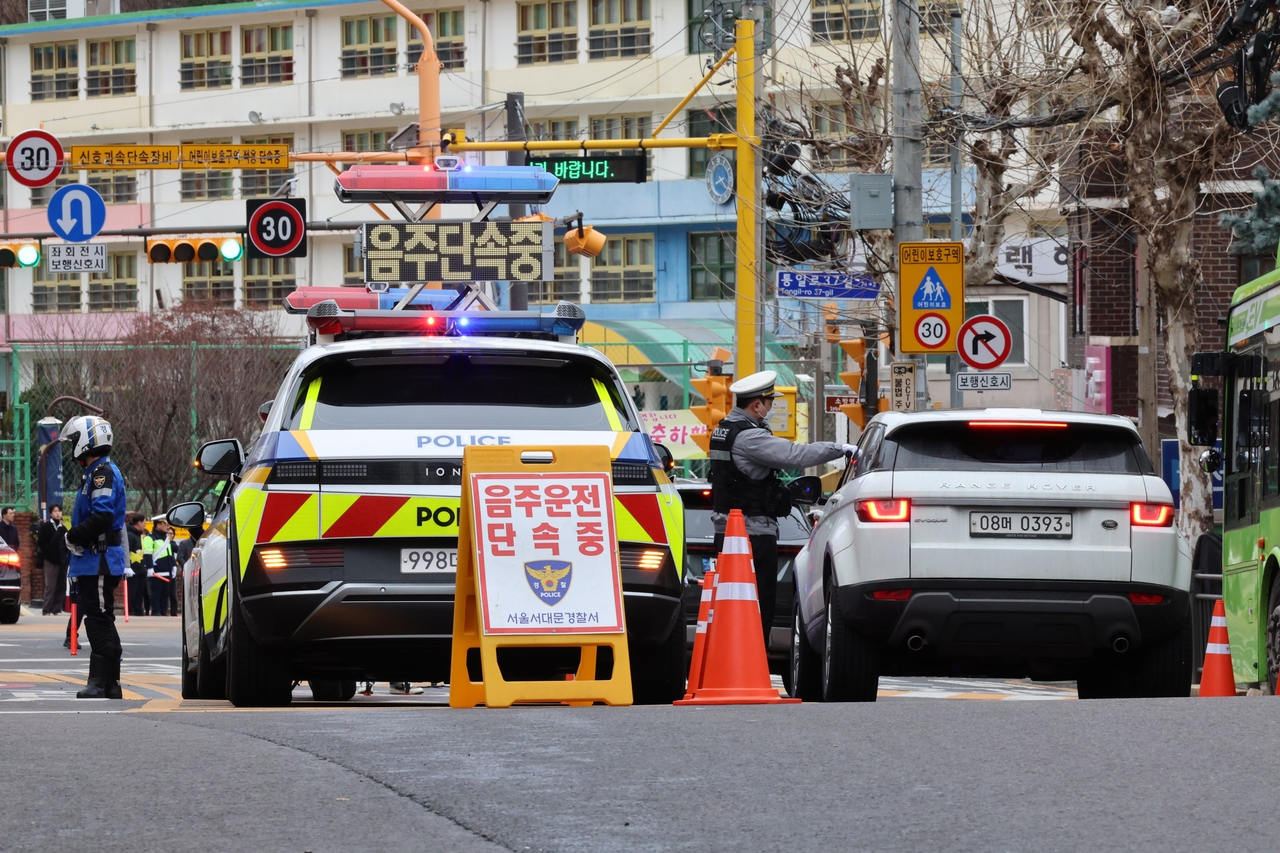
“Enforcement and better technology are still the main drivers of change in road safety,” said Seo Beom-kyu, head of the traffic safety division at the Korea Road Traffic Authority. “But the private-sector model adds something new. It rewards good behavior, which government programs struggle to do at scale.”
Government data reflects the progress. Nationwide traffic accidents fell from 223,552 cases in 2014 to 198,296 in 2023. Over the same period, accidents per 10,000 vehicles dropped from 2.0 to 0.9, while fatalities per 100,000 people declined from 9.4 to 5.0.
Modern car safety technology has also changed the baseline. Advanced driver assistance systems, such as automatic emergency braking and lane-keeping assist, are increasingly common even in budget vehicles. Crashes that once caused fatalities now result in minor injuries or are avoided altogether.
Against that backdrop, driving scores are an extra nudge.
“International studies have proven that usage-based insurance can cut risky driving behaviors,” said researcher Chun. “In Korea, I do have to say the evidence is more suggestive than conclusive. But it would be hard not to call it effective or successful.”
Insurers, though, have more than safety in mind. “In Korea, as in the US, these programs are as much about brand positioning as accident reduction,” said Im Chae-hong, senior researcher at Samsung Traffic Safety Research Institute. “Once one company offers safe-driving discounts, competitors follow to avoid looking behind the curve.”
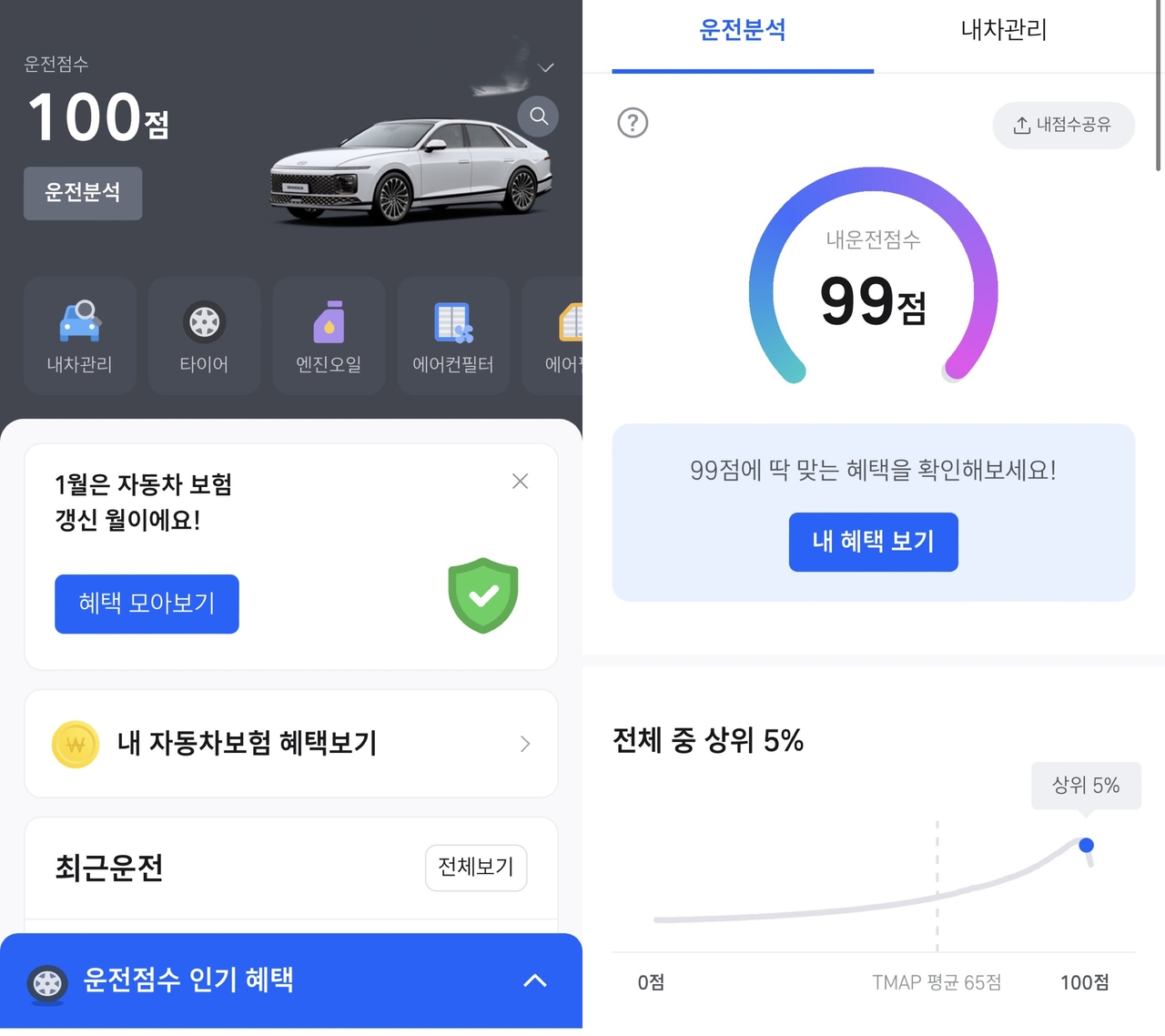
For many users in Korea, the appeal is more than financial anyway.
“When I got a perfect 100 last month, I posted it online like a medal,” said Lee Ji-yeon, a 39-year-old office worker in Incheon. “It made me think more about how I drive, even when no one is watching.”
Others admit to gaming the system.
“If I have to drive in heavy traffic, I switch to Naver so my Tmap score doesn’t drop,” said Kim Min-su, 32, who works in marketing in Seoul. “It might sound silly, but last year it saved me almost 200,000 won on insurance.”
A uniquely Korean integration into everyday apps
Usage-based insurance exists elsewhere. In Japan, Yahoo! Car Navigation users can connect to Sony Assurance for premium discounts. In the US, insurers like Progressive and Allstate have been using plug-in devices or separate apps to monitor driving for a long time.
But in most cases, the score is visible only to the insurer and the driver.
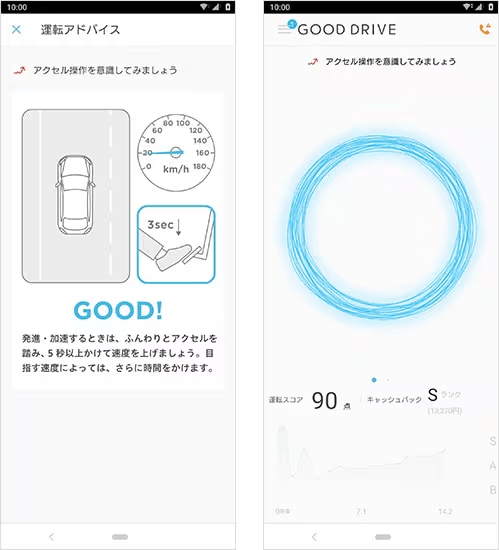
Korea’s model is embedded in mass-used navigation apps, with visible rankings and frequent prompts to check progress.
That public element taps into what Hyun Chul-seung, head of the Traffic AI and Big Data Center at the Korea Road Traffic Authority, calls “a deep familiarity with measurable performance.”
“From school grades to fitness apps to delivery driver ratings, we are used to seeing our performance compared to others,” Hyun said. “Here, it has found a relatively healthy outlet.”
Researcher Im from Samsung Traffic Safety Research Institute explained that this model also sidesteps Korean insurers’ earlier failed experiments in the early 2010s with plug-in monitoring devices, which Korean drivers disliked for their hassle, cost and “surveillance” feel.
When Korean navigation apps began doing the tracking directly, adoption soared, helped by the fact that Korea’s car insurance premiums, at around 1 million won ($720) a year, are very modest by global standards. “The financial incentive is smaller than in the US, but the social reward of keeping a high score is stronger,” Im said.
Not perfect, but part of the puzzle
The technology is not flawless. GPS drift can register false lane changes. Sudden braking to avoid another driver’s mistake can lower a score. And because participation is voluntary, there is an inevitable element of self-selection.
“Any metric people value will invite workarounds,” Chun from the Insurance Research Institute said.
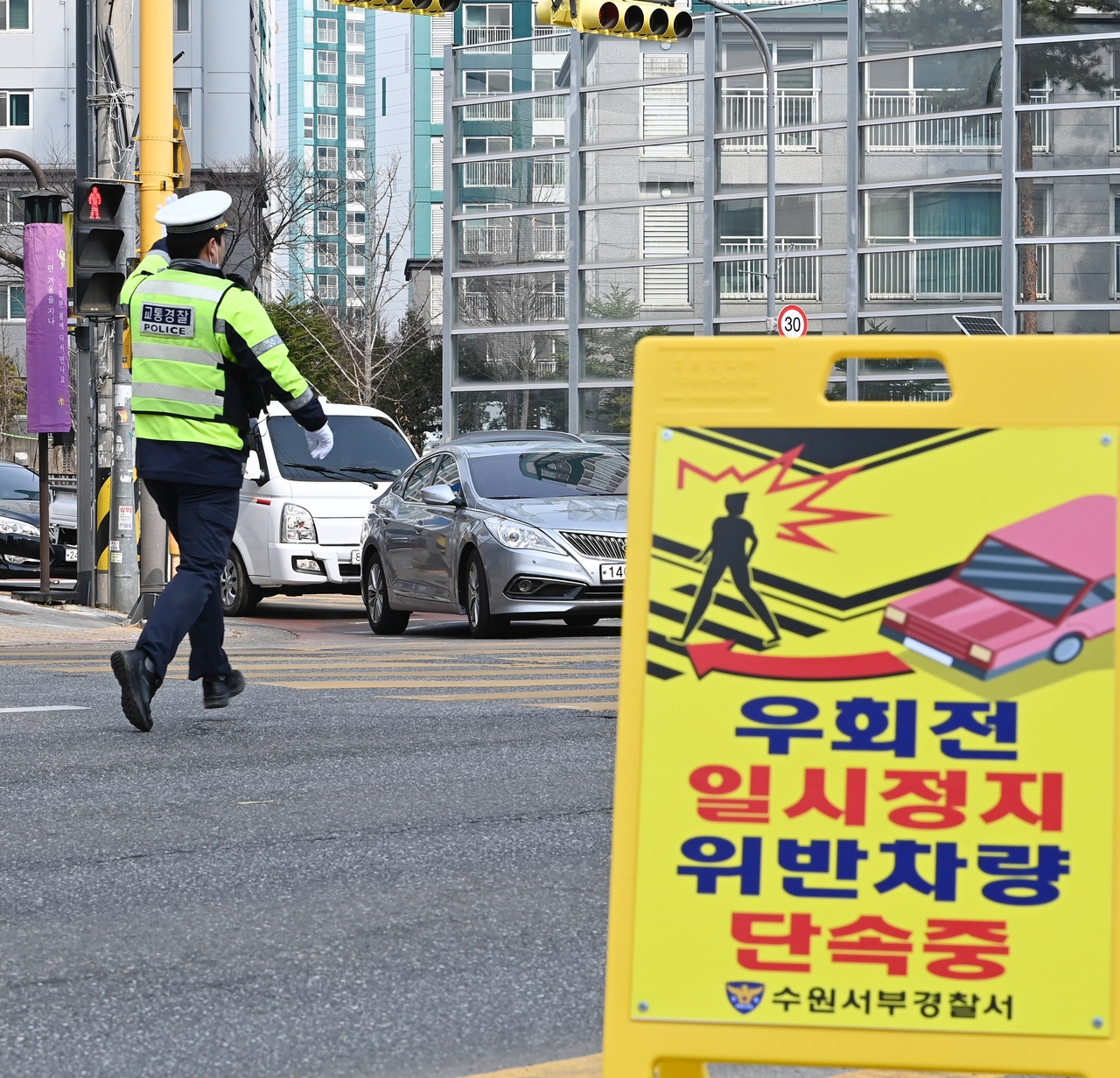
Tmap is experimenting with more context-specific scoring, such as extra credit for obeying school-zone rules or coming to a complete stop before turning right.
For now, the 31,366-accident figure remains a corporate claim, not an official statistic. But it reflects something visible on Korean roads: drivers who brake a little earlier, merge a little more politely, and share their score with pride.
“It is not the main reason Korea’s roads are safer,” researcher Im said. “But if you can get millions of people to think twice before speeding just because they want to keep a number high, that is a win worth noting.”
#OpLimit campaign launched to target drink and drug driving over the festive period
Main article content
We have launched our annual anti drink and drug drive operation as part of our ongoing commitment to keeping the region’s roads safe during one of the busiest periods of the year.
The national month-long #OpLimit campaign begins on Monday, 1st December and police forces across the country will be using intelligence-led tactics and local knowledge of hotspots to detect people who are driving under the influence of drugs or alcohol over the festive period. There will be an intensified police presence, ensuring maximum coverage during peak periods, particularly during weekends and the morning after.

North Wales Police will be using social media as well as a digital advertising campaign to drive home the message of the consequences surrounding drink or drug driving. This will include a digital ad van which will travel across areas of North Wales with key messaging for the duration of the campaign.
Led by the Force’s Roads Crime Unit, officers from across all teams – including local policing, armed officers as well as the Special Constabulary will be out – day and night targeting those who are endangering not only their own life, but the lives of innocent road users.
“We have a zero-tolerance approach to drink and drug driving all year round, but our December campaign will see us conducting extensive patrols across the region. This includes targeting hot spot areas and conducting intelligence-led stops,” said Sergeant Emma Birrell of North Wales Police’ Roads Crime Unit.
“We are committed to making the roads of North Wales safer for everyone, and we will be relentless in pursuing those who risk lives by making the selfish decision to get behind the wheel whilst under the influence of drink or drugs.
“There are no words to describe the devastation caused by drink and drug driving and that is why we are so passionate about what we do. As the festive season gets underway not only are we reminding drivers of the dangers but we’re also highlighting the consequences of getting behind the wheel whilst under the influence.
“Anyone caught faces a minimum 12-to-18-month disqualification and the public are being urged to take a moment and think seriously about how that would affect your life; driving to work or college, childcare arrangements or school runs, socialising and visiting family. The impact of losing your licence is enormous. You could lose your job and your home. Worst still, you could injure or kill yourself or someone else. Drink or drug driving isn’t worth the risk.

“Anyone who is considering driving whilst under the influence of drink or drugs should know that we will be out and about waiting for them – please don’t think the rural nature of the region affords you protection because it doesn’t.
“We target drink and drug drivers throughout the year, and in 2025 so far, we have made 828 arrests for drink driving and 1217 arrests for drug driving across the region. There really is no hiding place.
Sergeant Birrell added: “Our message is simple; if you are out and know you will be drinking, make sure you have plans for getting home safely without driving.
“We are fully committed to help make the roads safer for all and we’ll continue to target those who endanger their own lives and the lives of others. Don’t drive under the influence of drink or drugs – even a very small amount of drugs or alcohol can affect your ability to drive safely. Don’t let your friends and family pay the price.”
Police take action against drink and drug-drivers every day of the year. Anybody who has concerns about someone they believe to be driving whilst under the influence are asked to contact police via the website – Live chat | North Wales Police or via 101 (or 999 if they are posing an imminent danger) or alternatively, contact Crimestoppers anonymously on 0800 555 111.