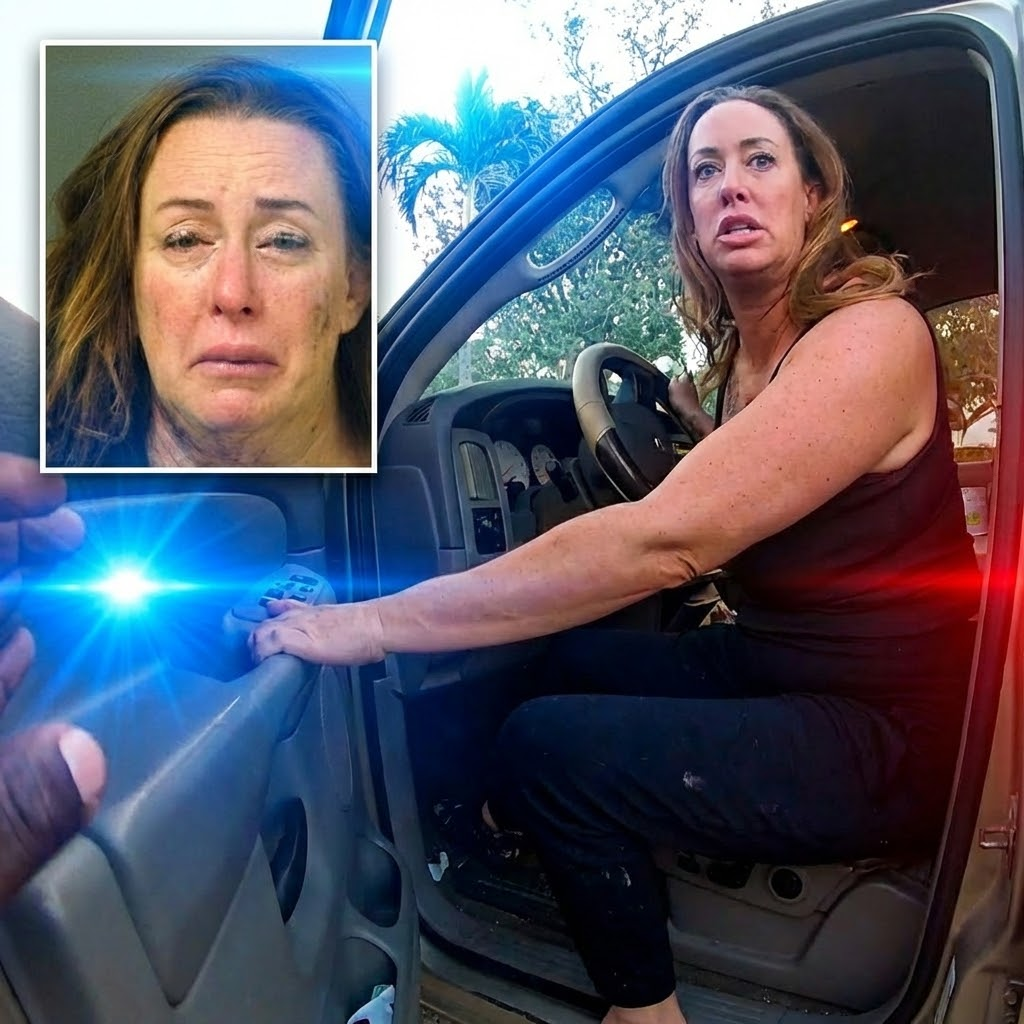
Drunk in Charge of a Child: What CPS Can and Will Do
Explore the implications of intoxicated child supervision, including CPS actions, legal consequences, and child custody impacts.
Parental intoxication while supervising a child raises significant concerns about minors’ safety and well-being. Such situations often lead to legal and social service interventions to protect children from harm. These cases can result in criminal consequences for the parent and involvement by Child Protective Services (CPS), with lasting effects on family dynamics.
Understanding CPS’s response is essential for parents, caregivers, and mandated reporters. It clarifies processes aimed at safeguarding children and holding adults accountable when their actions endanger a child’s welfare.
Recognized Offenses for Intoxicated Supervision
Legal systems address the risks of intoxicated supervision through child endangerment and neglect statutes, designed to shield minors from harm. Many states prohibit caregivers from being under the influence while responsible for a child, recognizing that intoxication impairs judgment and increases the risk of accidents or neglect.
These laws frequently intersect with driving under the influence (DUI) statutes when a child is present in a vehicle. Such cases may escalate to aggravated DUI or child endangerment, resulting in harsher penalties like longer license suspensions and increased fines. Driving while intoxicated with a minor is considered a direct threat to their safety, and courts treat these offenses with heightened seriousness.
Case law further defines the boundaries of intoxicated supervision. Courts have consistently ruled that a caregiver’s intoxication in the presence of a child constitutes a significant risk. Even when no harm occurs, potential danger is sufficient to warrant legal action.
Mandated Reporting Laws
Mandated reporting laws are critical in addressing intoxicated supervision. These laws require professionals like teachers and healthcare workers to report suspected child abuse or neglect, including cases involving intoxicated caregivers. By ensuring timely intervention, mandated reporting laws create a safety net for children.
The specifics of these laws vary but generally outline who must report, what constitutes reasonable suspicion, and the timeframe for doing so. Most states maintain confidential reporting systems to protect reporters and encourage compliance. Additionally, immunity provisions for those acting in good faith further incentivize reporting.
Once a report is filed, CPS begins an investigation. Mandated reporters provide valuable information that helps CPS assess the child’s situation and determine whether intervention is necessary. These laws ensure that even if an intoxicated caregiver attempts to hide their behavior, concerns are legally required to be reported, addressing issues that might otherwise go unnoticed.
CPS Investigation and Assessment
When CPS receives a report of potential child endangerment due to parental intoxication, the agency conducts a thorough investigation to evaluate the child’s safety. This begins with reviewing the report, which may include input from mandated reporters, anonymous tips, or direct observations. CPS prioritizes cases based on the severity of the allegations and the immediacy of the risk to the child.
The investigation often involves home visits, where CPS workers observe living conditions and interview the child, parents, and others in the household. They look for signs of neglect or abuse, such as poor hygiene or inadequate supervision, and determine whether the intoxicated behavior is part of a pattern or an isolated incident.
CPS may collaborate with law enforcement, healthcare providers, and community resources to gather a comprehensive understanding of the situation. Background checks may also be conducted to identify any prior incidents of neglect or abuse. These findings guide CPS in determining the best course of action, which could range from offering support services to recommending the child’s removal from the home if their safety is at risk.
Legal Standards for Proving Child Endangerment
Proving child endangerment in cases of intoxicated supervision requires meeting specific legal standards. Prosecutors must demonstrate that the caregiver’s behavior created a substantial risk of harm, even if no injury occurred. State statutes often define these standards, requiring proof that the caregiver knowingly or recklessly placed the child in danger, such as leaving them unsupervised while intoxicated.
Evidence is crucial in these cases. Prosecutors may use witness testimonies, police reports, medical records, and blood alcohol concentration (BAC) test results to establish the caregiver’s level of intoxication and its impact on their ability to care for the child. Video or photographic evidence may also illustrate unsafe conditions or the caregiver’s impaired state.
Courts consider contextual factors such as the child’s age, the duration of intoxicated supervision, and the presence of other responsible adults. For instance, leaving a toddler unattended while intoxicated may be viewed more severely than supervising an older child capable of basic self-care. Prior incidents of neglect or endangerment may also be introduced to establish a pattern of behavior.
Defendants may present mitigating evidence, such as demonstrating that their intoxication did not impair their caregiving or that the child was never in actual danger. Expert testimony from substance abuse counselors or parenting specialists may also support efforts to show rehabilitation. Ultimately, the court evaluates the totality of the evidence to determine whether the legal threshold for child endangerment is met.
Criminal Charges and Penalties
Caregivers found intoxicated while supervising a child may face criminal charges under child endangerment or neglect statutes. The severity of these charges depends on factors such as the level of intoxication, whether the child was harmed, and whether additional criminal activity, like driving under the influence, occurred.
Child endangerment charges can be misdemeanors or felonies. Misdemeanor penalties may include fines, community service, or probation. For example, a misdemeanor conviction might result in fines ranging from $500 to $2,500 and probation of up to a year. Felony charges, often applied in more severe cases or when there is a history of similar offenses, carry harsher consequences, including prison sentences ranging from one to ten years and fines exceeding $10,000.
Court Proceedings for Child Protection
When CPS determines that parental intoxication compromises a child’s safety, the case may proceed to court. These hearings aim to evaluate the child’s needs and implement measures to ensure their well-being. Family courts review evidence from CPS, the defense, and child advocates, including testimonies, reports, and expert evaluations.
Judges prioritize the child’s best interests, which may involve temporary or permanent changes in guardianship. Courts may issue protective orders requiring the parent to complete substance abuse treatment or parenting classes. In some cases, a guardian ad litem may be appointed to represent the child’s interests, offering an independent perspective on their needs. The outcome often depends on the parent’s willingness to address their behavior and demonstrate their ability to provide a safe environment.
Consequences for Child Custody
The impact of intoxicated supervision can extend to long-term child custody arrangements. Family courts prioritize ensuring a stable and secure upbringing, which may require altering custody agreements if a parent’s behavior poses a significant risk. Custody may be shifted to the non-offending parent temporarily or permanently, depending on the offending parent’s compliance with court-mandated conditions and evidence of rehabilitation.
In some cases, courts may grant supervised visitation, allowing the intoxicated parent to maintain contact with their child under oversight. This approach balances the child’s need for parental involvement with safety concerns. However, if a parent repeatedly violates court orders or fails to address their behavior, the court may restrict or terminate parental rights entirely. Such decisions are made cautiously, with the child’s well-being as the primary consideration.
My Alcoholic Parents Destroyed Our Family
July 27, 2023, 4:40am

Share:
Make Us Preferred In Top Stories
This article originally appeared on VICE Belgium.
Growing up, I saw my parents drinking booze at family dinners or on special occasions with friends. I remember these moments as fun; joyful, even. But in some families, alcohol becomes an addiction that destroys both the addict and their loved ones. What happens if one of your parents is an alcoholic and all you can do was watch?
Caroline Depuydt, a psychiatrist and assistant medical director at Epsylon, a Brussels-based mental health centre, has seen many patients who spent their childhood with an alcoholic adult. When drinking enters the family dynamic, kids can be more exposed to violence — verbal or physical — as well as negligence. It forces them to take charge of things alone, she says, sometimes even of their own education. Every situation is different, but in general, one thing tends to stay the same: Kids with of alcoholic parents grow up feeling profoundly lonely.
Depuydt adds that children of alcoholic parents are also four times more likely to become alcoholics themselves. Genetics may play a role, but family structure can influence your beliefs and behaviour patterns – all of which can be a risk factor for subsequent addiction.
Zéphyr, Camille and Ingrid all watched a family member falling into alcoholism and were impacted by it. They agreed to share their stories under an psuedonym to protect their own and their loved ones’ privacy.
‘The thing is, you can’t save an alcoholic’
“Up to a certain age, you could say I had a happy childhood. My dad has always been the impulsive one in the family. When I was little, it was nice because he would say things like, ‘You like hot air balloons? Let’s go fly in one tomorrow!’
When I was 12 to 13, he decided to quit smoking. At first, he replaced his cigarettes with food, but then he turned to alcohol. He started drinking more and more often. I remember when I was a teenager – 15 or so – I didn’t really understand the problem. I just knew he started to be a pain in the ass after the second bottle of wine. He got aggressive and hurtful.
I’d see him sober for 25 minutes in the morning, then he’d come home from work at 6PM and by 7PM, he’d already finished his first bottle. He’d start his second bottle during dinner and by 8.30PM, he’d finish it. We stopped eating dinner together as a family, because it always ended in a fight or tears over something stupid.
My younger sister and I started shutting down and made a point of being at home as little as possible. I found refuge in video games: As soon as I got home from school, I’d eat and play.
When I was 18, things really started to fall apart. One day, my dad said something like, ‘I’ve got to get out of here. I’m going to get stuck and waste my life if I stay.’ He stayed for four more months during which he’d always get totally shitfaced in the dark, in silence. By that point, he was up to two or three bottles a day. We didn’t talk once during that time – except for fighting. There was no point talking to him after 8PM anyway, because he’d never remember anything the next day.
How I Learned to Date Without Drinking
At some point, he started seeing specialists, but as soon as they’d tell him to go to rehab, he’d look for someone new. He even went to a psychiatrist who prescribed him painkillers. He started mixing drinks and meds, but then stopped, because it was making him ‘lose his spark’, he said.
Four months later, my dad left for good. It was sort of a relief, but he still has a certain hold on me. He sends me the weirdest emails sometimes. Some are apologies and I-love-yous, others are all ‘you’ve ruined my life’ and insults. After he left, I saw him a few more times, but I eventually stopped, because I realised I was trying to reconnect with something that wasn’t there anymore. I have to remind myself the cool dad I once knew just doesn’t exist anymore. Now he’s just a big shithead who screwed up our lives.
I used to be mad at him, but it hurt me more than anything. The thing is, you can’t save an alcoholic. Either you leave or you stay, but both options hurt. It killed me to see he didn’t realise he was living in a hole, a parallel universe.
I think my dad’s alcoholism has affected how I’ve built my own identity, and I have to be really careful, because I don’t want to end up like him. The fact that he insulted me has affected my self-esteem. I have huge issues because of that. I think my sister struggled even more, and my mum paid the price, too. I try to be there for her as much as possible, but it’s hard to rebuild a family life after something like this.
Besides that, I just can’t stand the smell of red wine. It really disgusts me.” – Zéphyr, 23
‘I’m constantly afraid I’ll become an alcoholic’
“I never knew my dad sober; he’s been an alcoholic since uni. On the rare occasions I saw him drink water, something clicked in my head, like ‘I don’t think what I’m seeing is normal’.
Because of him, I know every technique to open a can while driving. He used to say he drove better drunk than a young driver sober. It’s crazy how invincible alcoholics think they are.
Because he’s always been drinking so much, you can’t even tell he’s constantly drunk. I remember once he fell onto my little brother – that traumatised me because I realised he really had no control anymore.
I used to hate my father. His priorities were his job and alcohol, and we came last. I don’t think he raised me; he just gave me money. He came home from work at 7PM, ate, then went to drink, smoke and wallow on the porch. These days, I don’t hate him anymore, but I’m still mad at him. He knows he’s an alcoholic, but he doesn’t give a shit and he tells us so. I’m sure he’ll end up with health issues and my brother and I will have to take care of a vegetable.
My parents separated when I was 12. My mother left my father because of his drinking, but after their separation, she got into it, too. Early on, she’d have just one glass [of wine] while cooking, but then it was two, then three, and so on. She can’t handle alcohol at all, so after a few glasses, she becomes dumb.
When she was still taking care of me and my brother, things were still under control because she had responsibilities. But then it got worse. There was a point when my mum was drinking all the time, every day. Sometimes, she’d drive completely smashed to go buy cigarettes, even though she couldn’t even walk properly. I remember one time, she threw up on herself while driving and we found out the next day when we saw the puke in the car.
Alcohol caused a lot of violence at my house. My mum’s addiction really pushed my stepdad to his limits. Once I had to call an ambulance because he had pushed her and she’d fallen. Some mornings, I’d come downstairs thinking we had been robbed because of the mess, but it was just my mum – she’d gone crazy because my stepdad had kept her from drinking.
Today, my mum only drinks on certain nights of the week. She’s seen specialists, but nothing’s really worked so far. But at least she’s trying, unlike my dad.
Our family dynamic still affects me. I’m constantly afraid I’ll become an alcoholic. Whenever I feel like I party a bit too much, I suddenly stop drinking for three months, to make sure I’m not hooked. My parents are still a mental burden. I’m always mentally prepared for a call announcing my mum died in a car crash, or my dad has terminal cancer.” – Camille, 23
‘It wasn’t my mum anymore’
“My parents separated when I was 13 months old and their divorce was complicated. Most of the time, I lived with my mother, and every other weekend I’d go to my dad’s. When I was at Mum’s, I saw her drinking with my stepfather every day. At first, they’d drink with friends, then they started drinking with just the two of them. Alcohol quickly became an essential on the shopping list. There were a lot of cases of red wine at home.
It took me a while to realise there was a problem. It wasn’t immediately obvious, because there was a lot of loud talking and yelling at home – a sort of commedia dell’arte vibe. So I didn’t necessarily know what was due to alcohol and what wasn’t. When I was 16, I started to see things more clearly and tried to casually bring it up, but their reaction was so cold that I realised I’d better keep my mouth shut.
My stepfather was 18 years older than my mother, so he retired earlier than her. His new routine was a glass [of wine] at 11AM. When my mum retired, that was the real descent into hell. The fire department would call me at 3AM to tell me my parents were in hospital, had fallen down the stairs, or couldn’t get out of the bath. I was so over being woken up at night. There were times my mum really drove me insane. It made me aggressive – at one point, I could’ve hit her.
When I became a mum myself [more than 20 years ago] and had my mother babysit my children, that was a turning point. When I’d call to check if everything was okay, my eight-year-old daughter would answer things like: ‘Grandma’s been asleep for hours on the sofa.’ I remember getting a call from my kids telling me they didn’t want her to come to their birthday parties anymore, because she’d fallen over and broken the table.
I have memories of my mum finishing all the wine glasses at a Christmas dinner. Once, my son climbed onto the chair she’d been sitting on, and she’d peed on it. My daughter also recently told me her grandma once drove the wrong way up the highway and veered off the road, with the kids in the back seat.
At one point, I told her I wouldn’t let her watch the kids anymore. She was mad at me and tried to pit them against me while also telling me I could keep my ‘shitty kids’.
In 2013, my stepfather died and the situation got worse. At that stage, she’d go around with dirty skin and messy hair. It wasn’t my mum anymore. I took to avoiding her. She was in complete denial and we couldn’t speak to each other normally. I think what separated us from each other wasn’t just her drinking, but her fear of being judged. In fact, I wasn’t judging her; I was just setting boundaries.
She was found dead in her flat in 2016. Because she was old and an alcoholic, there was no autopsy, but I think it was suicide by alcohol – she wanted to join my stepfather. It’s hard to watch someone sink like that. I was mad at her for a long time. I think being angry allowed me not to be sad. Today, I’m finally at peace and I can remember my mum as I knew her before the drinking.
Luckily, I’m not drawn to drink myself. I’ve only been drunk two or three times in my life and I can’t handle alcohol well. Last time it happened, I was sick for the next three days – my kids love to remind me of that. I think I also avoid people who drink too much – I don’t have any in my circle and my husband doesn’t drink.
My kids and I have a transparency policy: I’d rather they tell me about their nights, even if it’s not always easy to hear, than hide things from me. They know they can talk to us about anything. Who knows if our relationship will always be like this, but I’m lucky it’s the case while they’re young.” – Ingrid, 50