Think Twice Before Drinking Prior To Getting On A Plane. Here’s Why
Elliott Cowand Jr/Shutterstock
Most travelers know that airports seem to operate in their own bubble where normal social rules don’t apply. And, once inside, having a beer with breakfast or enjoying a cocktail before noon feel perfectly acceptable while waiting for your flight. Because whether it’s a pre-holiday celebration with your friends, a way to pass the time during delays or layovers, or an attempt to combat your airport anxiety and pre-flight nerves, sipping on a boozy beverage is a standard part of the airport experience.
However, airport bars aren’t a free-for-all, and getting too carried away with the drinks before boarding can lead to some pretty serious consequences once you’re at the gate. After all, according to most airlines’ contracts of carriage — the legal agreement you accept when purchasing your ticket — passengers who appear to be too intoxicated or under the influence can be denied boarding or get removed from the aircraft. This applies to all forms of intoxication: Whether from alcohol, marijuana (even in places where it’s legal), or other substances.
Even the Federal Aviation Administration maintains strict regulations about alcohol and flying, which stipulate that airlines can only serve alcohol to passengers who don’t appear intoxicated, must deny boarding to visibly drunk travelers, and cannot allow passengers to drink their own alcohol on board (even the TSA-approved mini bottles you might have purchased duty free). In a post published on Medium, the FAA warned that getting too drunk before boarding might result in getting denied entry, and emphasized that threatening or assaulting crew members while intoxicated can result in fines of up to $35,000 or jail time.
Getting too drunk will get you barred from flying
Chalabala / 500px/Getty Images
In terms of passenger safety, federal aviation regulations give airlines and their staff clear authority to prevent intoxicated passengers from boarding. And this isn’t just a guideline or “recommendation” — it’s a strict requirement that all airlines must follow to maintain their and other passengers’ safety.
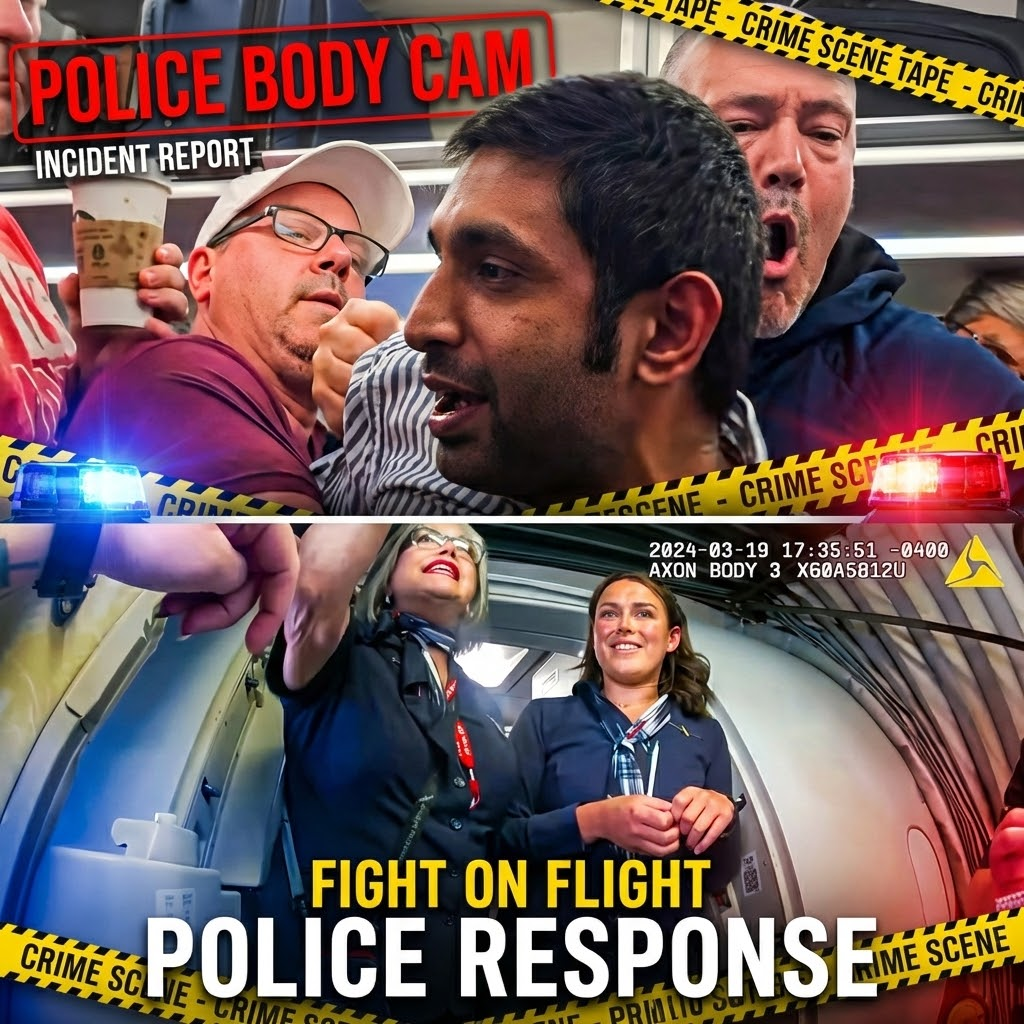
Unfortunately, drunk travelers are actually the most frustrating passengers flight attendants have to deal with. Not only are they usually loud and disruptive, but they generally become increasingly difficult to manage during the flight. In March 2024, for example, a United Airlines flight from London to New York was forced to make an emergency landing in Maine after an allegedly intoxicated passenger had to be physically restrained with cable ties after threatening the crew. And that’s not the first time a similar situation has happened: From Spain to China, there are countless stories of intoxicated passengers wreaking havoc on their flight.
As for passenger screening, gate agents and flight attendants receive specific training that teaches them to effectively identify signs of intoxication. This ultimately helps them distinguish between passengers who might be experiencing other conditions versus those who have simply had a little too much to drink.
What happens when drunk passengers aren’t allowed to board?
Agnormark/Getty Images
The consequences of being denied boarding due to intoxication go far beyond just missing your flight. For starters, airlines aren’t required to rebook passengers who were denied boarding for being drunk — which means you could lose the entire value of your ticket.
Beyond that, most travel insurance companies won’t cover any alcohol-related incidents, which means you likely won’t receive any compensation from losses on accommodation or other bookings either. And if you do manage to board but cause problems during the flight, the penalties are even more severe, from getting slapped with federal criminal charges to substantial fines from the FAA.
Lastly, just because you’ve paid premium prices for a private flight doesn’t mean you’re exempt from following the rules. Truth is, these guidelines apply equally whether you’re flying commercial or via private charter — and pilots and crew members must still follow the same federal regulations about dealing with intoxicated passengers.
NEXT UP
PLANNING
PLANES, TRAINS AND AUTOMOBILES
Things Airlines Used To Do (But Don’t Anymore)
By Carlie Hoke March 31, 2024 6:45 am EST
Vex Collective/Getty Images
Watch the sky long enough, and you’ll spot the distinctive shape of airplanes taking travelers hundreds of miles across Earth pretty frequently. This wasn’t always the case, though, as early commercial air travel was a curiosity for many and a reality for few. We live in a time when you could be across the country in an afternoon, but even though the Golden Age of air travel was much slower, it lavishly had its perks.
Speaking with Jack Stahley, a former American Airlines flight attendant, he detailed some of the changes air travel has made over the years. “A lot of airlines gave up on things like varieties of snacks, different beverage options, food on certain flights,” he said. While he is speaking of more recent deviations regarding in-flight benefits, 50 to 70 years ago, the experiences found within an airplane were much more grand. Fine dining and comfort you wouldn’t fathom in the modern travel world awaited those early, well-dressed flyers.
No matter where in the air travel industry’s timeline you look, things have surely changed. Our attitude and expectations about traveling on a plane have been molded by how airlines have been modernized. Whether for better or worse, we’ve uncovered some things airlines used to do that new travelers will likely never see.
Allow smoking
Juanmonino/Getty Images
Smoking used to be commonplace and even encouraged, pretty much everywhere. Offering someone a light or cigarette was seen as a polite thing to do or a great icebreaker. Some airlines would even provide cigarettes to passengers as a courtesy. If this sounds like something straight out of “Mad Men,” then that’s because the tobacco industry and airlines were intermingled quite a bit when it came to marketing. Air travel was glamorous back when cigarettes were being pushed, and the two industries regularly partnered to create a laid-back, luxurious aesthetic.
Even when the public became wise to the harmful effects of smoking, airlines still had a substantial smoking section on their planes. The iconic, lost-in-time airline Pan Am trained flight attendants on the rules surrounding these smoking areas. The vintage instructional video “The Smoker” taught flight attendants how to handle smokers who didn’t want to follow what were then the new rules. In the video, it’s clear how commonplace smoking was on airplanes.
If you were to take out a cigarette or ask for a light on a plane today, people would look at you like you were from a different planet. While you can still legally pack cigarettes in your carry-on bag and bring them onto the plane, smoking them is banned — despite ashtrays remaining on board. Considering the dangers of secondhand smoke and the flammable nature of cigarettes, this is one fad of the past that can stay there.
Have ample leg room
Norrie3699/Getty Images
One of the most consistent complaints about modern-day air travel is the lack of legroom, especially for long-haul travelers. Stretching your legs is likely to end in a game of footsie with the passenger in front of you. The amount of room passengers have been given in standard plane seats is borderline impossible to feel comfortable in, but this certainly was not always the case.
Planes used to be smaller and they held far fewer passengers. They were also made for much more than just profit-mongering or packing in as many seats as possible. Planes were built to provide comfortable, luxurious experiences. And it’s kind of hard to sit in the lap of airline luxury when your knees are hitting the back of the seat in front of you. Modern-day plane seats are between 29 and 32 inches apart, at least three inches smaller than the 35 inches they used to be. If you want that coveted extra space now, you’ll have to pay for an upgrade.
Encourage socialization between passengers
New Africa/Shutterstock
Boarding a plane is almost like entering a completely different social universe. The inside of a modern-day plane is oddly quiet, thanks to its insulated walls that keep out the roaring engine noises and passengers’ proclivity to say as little as possible. There’s nothing that closes a person off to interaction quite like the neck pillow, headphones, and sleep mask combo. It’s not abnormal to see this on a plane, but back in the Golden Age of air travel, planes were more like a lounge where socialization was easy and encouraged.
Passengers talked and laughed together while in their seats back in the day, but airplanes also had lounge areas in which passengers could form connections. Traveling via plane was less laser-focused on the destination and more on the social status of the flight experience. Travelers could hang out together in lounges with restaurants and bars while flying high. The closest thing to this experience in most modern-day planes is ordering a drink with the flight attendant and toasting your neighbor — if they’ve forgone the sleep mask and neck pillow, that is.
Provide top-tier luxury meals
nicepix/Shutterstock
These days, you’ll be lucky if you’re asked between vegetarian and non-vegetarian for an inflight meal. In the Golden Age of flying, it wasn’t abnormal for a flight attendant to carve prime rib from the cart. Those onboard social lounges often served multi-course meals with fine wine or spirits.
Today, passengers on shorter flights are offered a choice of drink and a packet of pretzels for good measure. Food fit for a picnic is sometimes offered for purchase, but even this would have been scoffed at by those jet-setting in air travel’s hay day. Instead, they were met with lavish meals of three or four courses. Meals were prepared during the flight. You could even receive made-to-order eggs. The ingredients were varied and balanced — you’d think there was a full-service kitchen tucked away in the back of the plane.
In some cases, technological progress is supposed to improve standards, so why has airplane food taken a plummet in quality over the decades? Simply put, airlines don’t really need to impress passengers anymore. Flying is commonplace and necessary for many, making price the most important aspect for many when booking flights. Airlines soon figured out what they could offer as cost-effectively as possible. Shockingly, that wasn’t lobster and lamb.
Have dress codes
Stewart Sutton/Getty Images
The standard today for many is to travel in comfort, and you’re likely to see more sweatpants than slacks on modern planes. Passengers used to head to the airport wearing their finest outfits. Though most people also wanted to impress when heading to the airport, they were also required by the airline’s dress code to present themselves in such a way.
Okay, so technically, you could still get “dress-coded” at the gate. As long as you don’t plan on boarding your plane without shoes, with tons of skin showing, or in a shirt portraying crude or offensive material, you shouldn’t have a problem. In a way, this is asking the bare minimum of passengers, but a flight attendant won’t look twice if you board in flip-flops and jean shorts. You won’t stick out in a suit, though. For those flying business class, smart attire is encouraged, but it is typically still a matter of personal opinion and comfort level. However, there is one piece of apparel flight attendants warn against wearing.
Provide sleeping spaces
Jupiterimages/Getty Images
If you’re jealous of the legroom you would have had flying 50 years earlier, then this will just make you mad. Instead of a spacious baggage area, planes used to have an upper compartment where passengers could lie down and sleep on their long flights. These sleep areas were pretty bare with just a thin mattress, pillow, blanket, and privacy curtain. A bed’s a bed, though, and would be an absolute luxury for modern travelers.
Travelers who have been on a plane for more than a few hours have almost certainly chosen between sleeping upright or the neck-straining, head-against-the-wall sleeping position. Or, maybe you’ve woken up with your head on a stranger’s shoulder. Either way, sleeping on a plane is rarely ideal. These days, plane seats barely recline in a halfway-comfortable position. When they do, though, the dilemma of encroaching on the passenger behind you rears its head. Travelers of decades past didn’t have these worries.
Serve food and drinks in fine china
Fluxfactory/Getty Images
The idea of drinking wine out of a paper or plastic cup would have shocked passengers back in the ’50s. No, it was only the finest for those who could afford to jet-set across the world in a plane. Air travel used to be elite, so only the wealthy could purchase the pricey tickets, and for the hefty price of air travel, food and drinks were served on fine china and in real glasses.
You may luck out and receive a glass of whiskey in, well, a glass if you order an in-flight drink. However, plastic is going to make an appearance in a big way if you receive a meal. Plastic-wrapped disposable silverware, single-use containers, and individually wrapped sauces, condiments, and salt packets will litter your tray table. Your water will likely come to you in a plastic cup, and your soda in a can.
We get it. Feeding hundreds of passengers with expensive and breakable plates isn’t the most feasible option. A plane doesn’t exactly have a dish pit hidden away somewhere, either. The trade to disposable makes a lot of sense, but we can’t help being wistful for the days when your in-flight muffin would come on a cute, printed saucer.
Discriminate
Image Source/Getty Images
The Golden Age of flying may sound amazing at the surface, but all things gilded may not be as precious as they seem. Sadly, discrimination was alive and well in the travel industry, and airlines were complicit. Airports were segregated through the ’60s and flying was predominantly utilized by white people. Black people did not have the same accommodations in airports and were regularly bumped from planes. This could cause serious delays in a person’s travel, and if bumped on a connecting flight, travelers could be stranded for days.
What would be seen as unacceptable now, was just a drop in the bucket for Black travelers then. We have come a long way in a relatively short time, but discrimination is still found in our world. Fortunately, you’ll find that planes are now highly diverse places with passengers hailing from all over the world and with all shades of skin colors.
Passengers were not the only ones to face discrimination in the air travel industry in years past. Flight attendants were under strict scrutiny at work as well, having to fit within various standards set by their particular airline. “If you got married, got pregnant, or reached over 25, you had to quit,” says Jack Stahley. “You had to weigh a certain weight and would have to weigh in before you went to work.” This was true up until the ’90s. While progress has been made, there’s still a sad reality of how flight attendants are paid.
Let passengers off right at landing
Izusek/Getty Images
Touchdown can be such a thrilling moment. You’ve arrived at your destination after having your butt firmly planted in some famously uncomfortable seats for hours! Arrival doesn’t automatically mean you’re free to start the frenzy to the door, though. These days, you can land safely but still remain on your plane for an absurd amount of time. Often, the unbearable wait time can be due to not having space at a gate for the plane to park. Back in the ’60s, this used to be completely avoided by the addition of roll-away flight stairs.
On and off-boarding used to be much simpler when it came to air travel, as passengers could walk right up to the plane with their luggage and step right up these moveable stairs for their flight. Flights were more streamlined, and it was a simpler time. Now, of course, there are so many moving parts at an airport with increased flights and heavier security that such a relaxed approach is next to impossible.
Allow for last-minute goodbyes
anatoliy_gleb/Shutterstock
The intense, post-9/11 security measures at airports are pretty much standard at this point, but there are some that still remember how travel was before the tighter regulations. While loved ones who aren’t traveling together have to say their goodbyes before security checkpoints, they used to be able to get much closer. Goodbyes used to be shared right on the tarmac, thanks to those roll-away stairs and loose security measures.
Having your loved ones with you right up until you board may complicate the security of the airport. However, it could do wonders in making passengers feel secure. For first-time flyers especially, air travel can be stressful. A chunk of that stress comes from sorting through the maze of an airport. If you are traveling solo and flying alone, the first departure can be extra anxiety-inducing. The comfort of having those you trust to lean on before accessing the gate would surely make flying a bit more soothing.
Attach collectable luggage tags to baggage
Aleksandarvelasevic/Getty Images
Airlines used to be incredibly fun, with epic marketing campaigns, brightly colored uniforms, unique airplane paint jobs, and small touches that set them apart from other airlines. One such specialized touch was their baggage tags, which were highly coveted and could be kept as collectibles by passengers. Each airport had its own special design that airlines would stamp and affix to bags, which some travelers would consider a lot cooler than a stamp on your passport.
Having a collection of luggage tags from your journeys was a great way to remember and bookmark your trips, and the colorful tags allowed travelers to show off how well-traveled they were. Unlike a passport stamp, tags could be displayed as a subtle nod to their worldliness. The tags may not be worth a fortune in resale value, but they’re probably priceless to the travelers lucky enough to have collected them.
Carry barf bags
Solstock/Getty Images
You’ve probably seen the barf bag scene in countless movies, and have likely heard of the practice of breathing in and out of a paper bag to calm nerves. Planes used to carry similar, plastic-lined bags for nervous or air-sick passengers, but you will find that they are a rarity now. The reason a lot of airlines no longer carry barf bags is that, thankfully, they are no longer really needed.
It turns out that getting air sick is a thing of the past, at least for the most part. With advancing technology in the air travel industry, some of what would cause air sickness has been eliminated. Airplane cabins are now pressurized, which means they can fly at higher altitudes. This has drastically decreased turbulence on flights. This, combined with flying becoming more common and less fear-inducing, has helped eliminate some of the nausea caused by flying.
Like most things, the lack of barf bags comes down to money as well. Airlines have started to reduce costs where they can, and the elimination of barf bags saves a bit of dough. Apparently, the cost of the bags outweighed the now-lessened risk of sick passengers making a mess.
NEXT UP
PLANNING
PLANES, TRAINS AND AUTOMOBILES
Things Flight Attendants Notice About You When You Board A Plane
By Amelia Glean Updated: Feb. 7, 2024 4:23 pm EST
1st footage/Shutterstock
Whether you’re a frequent flier or someone who takes to the skies once in a blue moon, you’ve probably picked up on certain things when flying: the best ways to help you get through airport security faster, what to pack (and what not to pack) in your carry-on luggage, and how to choose the best airline seat, for instance. But have you ever taken the time to notice your cabin crew, or given thought to what goes on behind the warm greetings you receive as you step on board?
Whether you do or not, you can be sure that flight attendants notice a lot about you. As it turns out, they’re trained to pick up on everything about passengers in the blink of an eye — in around three to four seconds. From noting anxious fliers and those likely to be swerving the rules, to passengers who might need a little extra help and assistance, it’s safe to say you’re being judged in one way or another as you prepare to take your seat. Rest assured, flight attendants do this mainly in the interest of your safety and comfort, but they’re just as interested in things like what you’re wearing, too. If you’re curious to find out what the flight crew is noticing about you, here’s a rundown of what exactly they’re looking for.
Your clothing, shoes, and jewelry
Solstock/Getty Images
Besides someone’s face, outfit choices are one of the first things we notice about a person. How many times have you clocked someone looking you up and down in public, taking in what you’re wearing in all but a split second? Well, it’s no different when it comes to members of the cabin crew as you board your flight, although their reasons for doing so are slightly different. You see, flight attendants are looking for any item of clothing or jewelry that might become a hazard, especially in an emergency — think something that’s loose or hanging awkwardly — as well as passengers wearing items that are just plain uncomfortable. High heel shoes, big hoop earrings, and jumpsuits or tight-fitting clothing are just some of the things you should think twice about wearing on your flight.
Instead, prioritize comfort over style, especially if it’s going to be a long journey. That means having a jumper on hand for when it gets chilly in the cabin, donning a pair of stretchy pants that are easy to adjust or remove when going to the bathrooms, as well as a pair of your comfiest sneakers. When you dress for comfort and function, you can’t go wrong.
Your baggage
Yaroslav Astakhov/Shutterstock
It might sound ridiculously obvious, but cabin crew are primed to hone in on your luggage. They check things like if your luggage has been tagged for cargo, if you’re wearing a fanny pack, the size of your personal bag, and if you look like you’re struggling to carry your luggage. They’re also scanning to see if your luggage is oversized and likely to cause problems in the aisles or overhead bins. After all, this sort of thing slows down the boarding process, which is bad news for everyone.
Or, maybe you’re someone who’s trying to skirt airline rules by bringing too many bags on board. While it might be your lucky day sliding past check-in desks and boarding gate staff, it’s virtually impossible to hoodwink flight attendants in this department. Besides, it’s just not worth the hassle. Instead, do yourself a favor and triple-check all the requirements for each specific airline well before you fly, such as personal bag allowances and size dimensions, and always weigh your bags before getting to the airport.
Your health
1st footage/Shutterstock
Physical appearance is something you’re likely to notice about any new person you come across. Consciously or not, we can usually tell if someone looks well-rested and healthy, or sniffly, sleep-deprived, and anxious. This health assessment is magnified for flight attendants, who’re searching for signs of illness during the boarding process. Think about it. They’re about to share a confined space with hundreds of people, where those nasty germs can spread very easily. Also, if the cabin crew knows you’re feeling under the weather, they can make arrangements to make you more comfortable — maybe you need to be closer to the toilets or swap for an aisle seat, for example.
If the illness or symptoms seem serious enough, however, flight attendants will need to make a call about whether or not you’re fit to fly. If not, you might have to leave the plane before takeoff. On the other hand, if you’re in tip-top shape, it’s a massive green flag for airline staff. You’re much more likely to be an asset if there were to be an emergency, for instance. Plus, if you look strong, maybe you can aid staff in other ways by helping fellow passengers lift their bags into the overhead compartments. Flight attendants actually check for able-bodied passengers (also known as ABPs) during boarding and note their seating placements. These ABPs could be potentially helpful in an emergency.
How far along you are
MEDIAIMAG/Shutterstock
If you’re expecting, the cabin crew is well-trained to judge how many weeks pregnant you are. The main reason for this is tied to safety. It’s generally fine to hop on a plane before the 36-week mark unless you or the baby have experienced complications. Afterward, some airlines might ask for a doctor’s note proving you’re safe to travel. In any scenario, booking a flight within four weeks of your due date is not a good idea, in case you deliver early. No one wants to go into labor on a plane, do they?
Aside from this, flight attendants will also want to know how far along you are to make traveling while pregnant even easier for you — whether that’s giving you a seat with more legroom to stretch out, an aisle seat to move around the cabin more freely, or seating close enough to the bathrooms. Flight attendants may also check in with you more frequently concerning food, beverages, and your general comfort.
If you’ve brought your own food
Lechatnoir/Getty Images
We all know that plane food isn’t the healthiest or tastiest grub, although you probably haven’t thought much past this. But as flight attendant Shreyas Parikh posted on the online question and answer board Quora: “The food on your tray is prepared not in the galley but in the aircraft catering, which is often done 12 hours before and even days before the aircraft departure.”
What’s more, our taste buds and sense of smell go a little off whack when we’re thousands of feet in the air (due to increasing pressure in the cabin), which makes everything taste a bit more bland. With this in mind, Shreyas goes on to say that “airline catering in recent years has really pumped up the spices, salts, and fats — all to make your mouth happy.”
Cabin crews may steer clear of plane food themselves, bringing homemade meals, or shop-bought items, on board with them instead. It’s why passengers who take the initiative to bring their own food may be quietly admired for their careful planning, awareness, and health consciousness.
If you’re friendly
Compassionate Eye Foundation/justin Pumfrey/Getty Images
Are you someone who huffs and puffs while waiting to board or someone who waits patiently for your turn? This one might come as a bit of a shock, but you can be sure that flight attendants are carefully scanning the boarding gates before you’ve even gotten to the plane, taking in your demeanor and making their judgments about how easy of a passenger you’re going to be. Among flight attendants, there’s even a term for passengers who crowd the gate before their boarding group: “gate lice.”
Don’t take this the wrong way, and this isn’t meant to come across as rude. The cabin crew merely wants to know who they’ll be in the air with for the next few hours. Wouldn’t you? Whether you’re simply keen to be friendly, prefer a smoother flight, or want to make a good impression for possible freebies and upgrades, do your best to make eye contact with crew members, listen when they’re giving instructions (especially when it comes to pre-departure announcements), and be as respectful as possible to other passengers around you.
If you’re a nervous flier
Fg Trade/Getty Images
Flight attendants are also pros at spotting anxious passengers. If you fall into this camp, there’s nothing to worry about. In fact, it’s a good idea to introduce yourself and let the cabin crew know about any worries you may have, although they’ve probably already noticed your jitters. Tell-tale signs they look for range from mild to severe — such as fiddling with personal items, symptoms of someone experiencing nausea, or even more serious symptoms that indicate the onset of a panic attack.
Remember that flight attendants are in the best position to make your trip as comfortable as possible, and who knows, they may even be able to adjust your seating position to calm you down. For instance, you could be given a seat in the center of the plane, over the wings, or more toward the front. These areas tend to avoid significant turbulence during the flight. Or, if you’re traveling alone and have a fear of take-off or landing, they may even be able to help you through it by keeping eye contact with you.
If you’re intoxicated
SeaRick1/Shutterstock
As a reminder, you shouldn’t knock back too many alcoholic drinks before your flight. Staff can pick up on all the signs of intoxication in an instant, whether that’s slurred speech, unusual and disruptive behavior, or aggressiveness. In fact, it’s one of the reasons why flight attendants greet you as you board the plane — they’re flagging passengers who may show signs of disruptive or antisocial behavior. The same goes for drug intoxication. In either case, you can be removed from the flight before it’s even taken off.
Nuralia Mazlan, a flight attendant for Air Asia, wrote on Quora that she’s always looking out for “the intoxicated/high as a kite passenger.” She goes on to say that “these are the type of people that are more likely to create troubles on board 90% of the time,” citing a 20-year-old man who stripped naked on one of her flights from Kuala Lumpur to Dhaka.
If you have a disability or require assistance
Wundervisuals/Getty Images
This one is a biggy. You’ve likely made airline staff aware of any required assistance before you’ve arrived at the airport during the booking process. However, for some people whose disability flies a little under the radar, the cabin crew always has their eyes peeled during boarding to determine who may benefit from a little more help during the journey. This also includes families with small children or babies, as well as elderly travelers. In the event of an emergency, flight attendants need to know who may require special assistance.
Once flight attendants notice, they can help make sure your flight runs as smoothly as possible. Maybe you need a little more legroom, a seat in the center of the plane to avoid turbulence, a row to yourself (if there’s space) because you’re feeling ill, or prefer seating closer to the bathrooms. It’s a flight attendant’s job to look after you, so don’t hesitate to ask for reasonable accommodations.
If you’re trying to smuggle contraband
Tsuguliev/Shutterstock
Trying to hoodwink airline staff by bringing your own alcohol on board in a not-so-conspicuous container, hoping they won’t notice you taking a swig every now and then, isn’t a good idea. Again, flight attendants are the eyes in the sky. Besides, on many flights, you’ll be given the option of a few different alcoholic beverages for free, so why even risk it? Sure, you’re unlikely to get a world-class choice of French wines, but it’s better than nothing.
And don’t even think about taking a cigarette, including an e-cigarette, break. There’s just no way you’ll get away with sneaking off to the toilet for one. For starters, each bathroom is fitted with a smoke detector alarm, which will “out you” to the cabin crew right away. It’s also very illegal, and a few puffs can lead to hefty fines or imprisonment.
It’s also a complete no-no to smuggle your furry friends on board, but you’d be surprised how many people try squeezing them into handbags and purses. In fact, you can only travel internationally with your pets if they’ve been professionally vetted, fit comfortably in an FAA-approved pet carrier, and are registered with the airline well before your flight … and you’ve paid all the necessary fees.
Who you’re boarding with
Nikola Stojadinovic/Getty Images
A fairly obvious, but important, thing flight attendants will notice upon boarding is your group. Flight attendants will carefully note who you’re getting on the plane with, whether that’s small children, your partner, business colleagues, an elderly relative, or if you’re traveling solo. The primary reason for this is to make sure they’re in the best place to assist you if you need a helping hand. This could mean assisting parents of screaming toddlers or offering a bit of encouragement to a nervous solo flyer.
It’s also helpful for flight attendants to know who’s with whom when it comes to seating arrangements for both assistance in case of an emergency and general passenger satisfaction. After all, the number one objective for cabin crew is to make sure all passengers are happy and safe. When possible, flight attendants may try to arrange seating to help ensure families and friends sit together.
If you’re a flight attendant or a pilot
Mihailomilovanovic/Getty Images
One of the last things a member of the cabin crew will aim to pick up on is whether or not you’re an airline employee. Apart from having a lot in common with you, flight attendants are looking to see if you’re someone who could potentially help in an emergency. Crew members who hop on a plane for leisure are especially useful in this instance. They’ve been trained in all necessary safety procedures.
Although rare, there’s always the risk of something going wrong when you take to the skies. The 1989 United Flight 232 is a good example, which crash-landed in Sioux City, Iowa. Although 112 people sadly lost their lives, it would have been much more had Dennis Fitch, a United Airlines captain who was on board as a passenger, not taken over the controls of the throttles and assisted the plane’s captain at the time. It’s an extreme example, but it just goes to show how helpful an extra pair of trained hands can be in an emergency.
If you’re sitting in an emergency row
Purd77/Shutterstock
It comes with the promise of extra legroom, but having those magic emergency row numbers on your ticket also comes with a whole load of extra responsibility. Along with making sure you’re on the right flight, flight attendants insist on scanning everyone’s boarding pass when you get on the plane to note who’s sitting in emergency rows. They’re looking to see if you’re comfortable (and capable) enough to fulfill the role.
To sit in the emergency exit row, passengers must be physically able to operate the emergency exits; able to read and understand emergency procedures; and be capable of conveying instructions to other passengers. With this in mind, it’s the cool, calm, and collected passengers who will be asked to sit in an empty emergency exit row. If you’re a nervous flyer and find yourself in the row, you should notify the cabin crew of your jitters and swap seats with someone else. But, trust us, they’ve probably already noticed.
NEXT UP
PLANNING
PLANES, TRAINS AND AUTOMOBILES
Your Complete Guide To All The Airline Classes
By Amanda Finn March 12, 2023 7:00 am EST
Kurmyshov/Getty Images
Air travel is very much impacted by the type of class and fare a traveler is paying. Though the kinds of service across the classes can differ wildly from one airline to another, there are four types of airline classes: economy, premium economy, business, and first class. Unless you are well-versed in airline booking hacks or a frequent flyer with airline status, you’ll most likely spend most of your time in economy — unless you want to shell out a lot of money for a better seat.
What class you’re in will impact not just your seat and position in the plane itself, but it will also dictate what kind of service you receive on the plane. Higher classes have larger seats, more room in between the seats, and complimentary services like better food, snacks, and beverage options. You may even be lucky enough to fly with an international airline in a class with private suites for the ultimate flight experience. But what are the biggest differences between the airline classes and what do you need to know before booking your next flight?
Basic economy
Diy13/Getty Images
The seats in basic economy are often the same as those in regular economy, though the ticket itself is more restricted. These are usually the cheapest tickets offered by an airline. However, with cost savings come restrictions on changing your flight dates or times, a limited amount of baggage you can bring, the inability to select seats, boarding last, and several other limitations depending on the airline. The reason folks buy basic economy tickets is to save money, though with additional fees, the cost of the ticket may very well add up to more than the price of a regular economy ticket.
Some of the other terms you may encounter in purchasing tickets under a basic economy fare can include economy light, saver fare, economy basic, and bare fare. Each airline can have its own terminology for the flight classes, so be sure to read the fine print when purchasing your ticket. Try comparing the cost of the amenities you need like a free carry-on bag with what you’d pay with a basic fare. You may be better off with a regular economy ticket.
Economy
Demkat/Getty Images
Regardless of the kind of plane or airline you’re flying with, the economy section is pretty much the same across the board. These tickets are not as cheap as basic economy tickets, though they usually still afford a pretty average travel experience. Generally, an economy experience in a legacy airline like Delta, United, or American Airlines will be more comfortable than in a budget airline like Spirit or Frontier.
In regular economy, you may or may not get complimentary snacks and drinks or even meals if your flight is long enough. Choosing your seat is usually included with an economy fare, though if you try to choose a seat in certain parts of the cabin you may have to pay extra. Exit row seats are often more expensive, as are seats that are closer to the front, or any that provide additional perks like more legroom or more space to recline.
Premium economy
Emerson Gomes/Shutterstock
Like the differences between basic and regular economy, premium economy can either be a significant upgrade from regular economy or basically the same. What is true for premium economy seats is that there is more legroom and potentially more recline pitch in the seat back. Some airlines also provide premium economy passengers with amenity kits, better food, and sometimes even the free alcoholic offerings you’d find in first or business class.
The few inches of extra room can vary widely between carriers. Japan Airlines, for example, can have 10 inches more space in their premium economy seats whereas the average for carriers is between 5 and 6 inches of additional space. Premium economy seats are also often in more favorable parts of the cabin like the front of the economy section. You may also be in a better boarding group with a premium economy ticket than others in the economy cabin. Again, it really depends on the airline you’re flying with.
First class
Tim Boyle/Getty Images
In general, a lot of travelers use business and first-class cabins interchangeably. It’s easy to do since they can be pretty close together in their amenity offerings. Planes generally don’t have both business and first-class seating options, they’ll have one or the other. First class, like premium economy, can mean a lot of things depending on which airline and route you’re flying. For example, domestic flights generally have first-class seating rather than business.
Domestic first class usually includes more comfortable seats, more room around seats, a more favorable seating arrangement, and food and drink inclusions. They’re generally not the seats you see all over luxury planes on Instagram. These are not lie-flat seats, though they are still much more comfortable than economy seats. You’ll probably get hot food even on shorter flights and your choice of alcoholic and non-alcoholic beverages.
International first class on the other hand is easily confused with business class. They can include private or semi-private suites, lie-flat beds, gourmet dining, and lots of drinks to keep you cozy in the sky. You may have turn-down service, complimentary pajamas, and luxury amenity kits with posh items. A first-class international ticket can also more than likely get you into an international airport lounge before takeoff.
Business class
Bryan Bedder/Getty Images
Although even airlines use first and business class interchangeably, generally the experiences folks hope to one day attain are designated to business class. Lie-flat seats, complimentary meals and snacks, unlimited drink selections, and other amenities can be linked to first class, though more often than not it’s business. In some cases, business class is considered a step down from first class and can offer a premium experience for more than economy but less than a first class ticket.
Like with first class, the kinds of service and amenities travelers receive with a business class ticket depend on whether you are flying domestically or internationally. International flights by and large are going to be the most luxurious version of a business class experience, not that a domestic business class flight isn’t considered a posh experience.
Business class flights also often come with airport lounge access. That’s true for most domestic and international flights on a business class ticket, though international lounges like the United Polaris Lounge tend to offer a more luxurious experience than their United Club domestic counterparts.
Why airline classes vary so much
Blue Planet Studio/Shutterstock
Air travel was a much more luxurious experience for everyone in the mid-20th century. But the big reason why airline classes have gotten so competitive, seats have gotten smaller, and amenities have started to disappear is because of deregulation. The federal government in the United States deregulated the airline industry in 1978 which meant airlines could do even more to increase their revenue per passenger.
Because of that deregulation, and the fact that planes have become more advanced to get people where they’re going faster, ticket prices continue to rise. That is regardless of the fuel price trends because there is a wider profit margin for airlines to take advantage of. While it’s easy to assume that the widest profit margin is in the higher classes, it actually isn’t. Per square foot of space, first class and economy are pretty close because the airlines want to fill their planes as much as possible. It’s in the addition of premium economy and business class sections that the airlines make more money per square foot.
Domestic versus international destinations
nadisja/Shutterstock
When it comes to airline classes, domestic flights have much less variety in the kinds of experiences you’ll receive. Even if the plane has economy, premium economy, and first class, the service you’ll get on a domestic flight is usually far less than you would on an international flight. Long-haul flights have the most variety of classes and amenities. For example, domestic first class (the best class on that plane) will have better seats but they don’t lie flat. At the same time, that same class on an international flight will have lie-flat seating.
Different lengths of travel also offer passengers of all classes more amenities all around. Most international journeys will provide even economy passengers with some kind of meal and comfort items like pillows and blankets. Economy might not be the most comfortable way to travel internationally, though it can be more comfortable than domestic flights. Jumping from economy to premium economy on a long-haul flight may also be a significant difference in an in-flight experience as well.
Read More: https://www.explore.com/1220170/your-complete-guide-to-all-the-airline-classes/